BOOK DIRECTLY ON OUR WEBSITE AND ENJOY UP TO 20% DISCOUNT.

BOOK DIRECTLY ON OUR WEBSITE AND ENJOY UP TO 20% DISCOUNT.
Enter the dates
28 May 2026
On the afternoon of 23 June, something shifts in Barcelona. Fireworks stalls have been set up on street corners for weeks, pastry shops fill their windows with sweet flatbreads, and shortly after five o'clock, a flame lit in the Pyrenees begins making its way down toward the city centre. That is the Flama del Canigó, and its arrival at Plaça de Sant Jaume marks the official start of the Nit de Sant Joan. One of the most deeply rooted celebrations in the Catalan calendar. What follows lasts until dawn.
The Nit de Sant Joan marks the summer solstice, the shortest night of the year. While the public holiday falls on 24 June, the real celebration happens the night before. In Catalonia, three symbolic elements structure the festival: fire, which purifies; water, which heals; and medicinal herbs, whose properties are said to be especially powerful on this particular night.
The Flama del Canigó leaves Camp Nou at 17:00 and arrives at Plaça de Sant Jaume at 18:00, where giants, human tower builders and a traditional cobla band receive it in a ceremony organised for locals, not for visitors. From there the flame is distributed across the city to light more than thirty authorised bonfires. If you are in Barcelona that afternoon, it is worth heading to the square. It is one of the few rituals the city lives without a camera pointed at it.
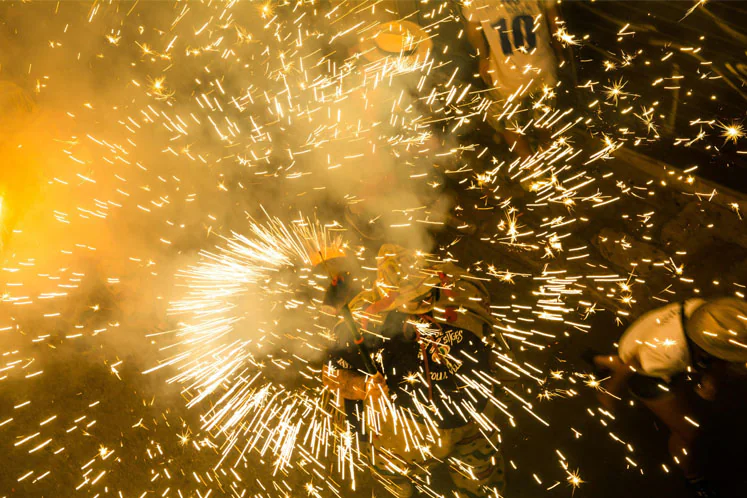
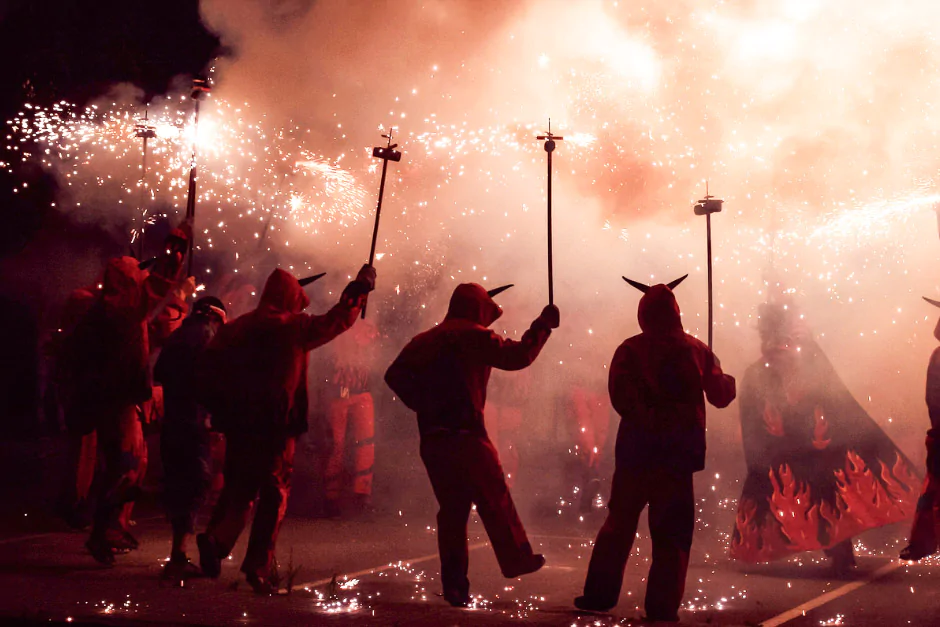
Each of Barcelona's ten districts organises its own revetlla, or street party. The correfoc is the most visceral experience of the night: a procession of devils carrying fireworks that moves through the crowd to the rhythm of drums. It is not something you watch from the pavement. The tradition is to walk among the devils as sparks fall around you, something barcelonins have been doing for generations. Wear something you do not mind getting marked, and let the music and the smoke do the rest. There are correfocs in neighbourhoods like Barceloneta, Montbau and La Verneda, among others.
For something quieter, districts like Gràcia, Sants and Les Corts set up their own verbenas with bonfires, communal dinners and live music in the squares until three in the morning. Same celebration, without the chaos.
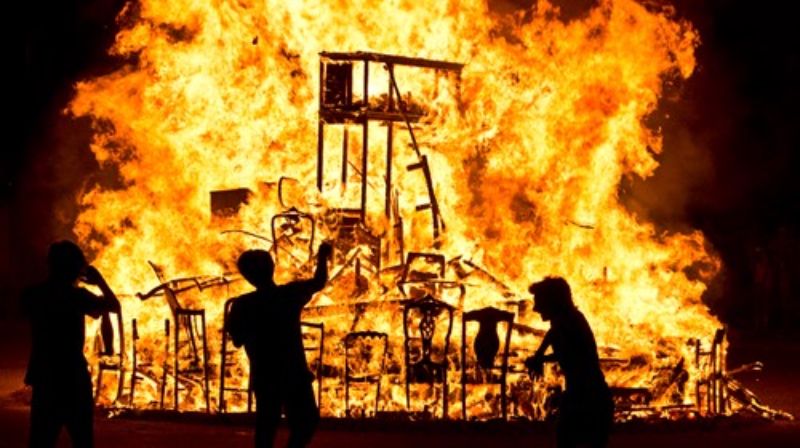
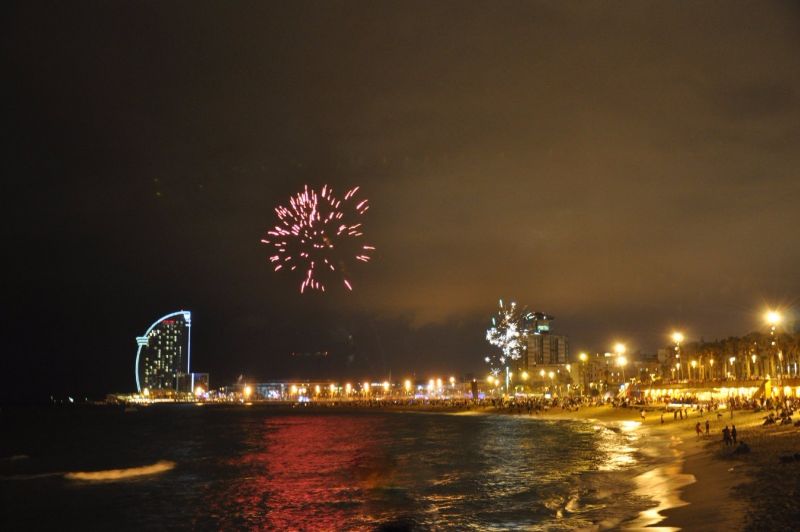
The beaches of Barceloneta, Bogatell and Nova Icària fill up with bonfires and music. The midnight swim has symbolic roots: the water of Sant Joan night is said to cleanse and heal. In practice, it is one of the more peculiar experiences Barcelona can offer. On 23 June the sea sits at around 22-23 degrees, the sky does not stop lighting up, and the sand does not empty until sunrise. If you are planning to go, arrive well before 22:00 and consider Bogatell or Mar Bella over Barceloneta. A little less crowded, same atmosphere.
More than half a million artisan cocas are sold in Barcelona every year on this date. The most traditional version is topped with candied fruit and pine nuts, but varieties range from custard cream to versions with llardons (pork crackling) or contemporary pastry creations. Buy yours in advance: by the morning of the 23rd, the best bakeries already have queues. Pastisseria Morreig in Gràcia won the award for best traditional coca in 2025; La Colmena, near Plaça de l'Àngel, has been making them for over 170 years. It is eaten with cava, ideally somewhere with a view of the fireworks.
Sant Joan is an extremely loud celebration. Firecrackers from midday, fireworks until three, and in many areas music until dawn. Worth knowing if you are travelling with young children. For those who want to see the fireworks without the beach crowds, Montjuïc Castle offers a panoramic view of the whole city's display. Few visitors know about it, and locals with kids have been using it for years.
If you are staying in the centre, Aspasios apartments and boutique hotels have properties in the Eixample, the Born and other well-placed neighbourhoods, all within walking distance of the main focal points on a night when public transport runs at its absolute limit.
24 June is a public holiday in Catalonia. Which means nobody on the night of the 23rd is in a hurry.
Barcelona has bigger festivals by visitor numbers, but few with as much local participation as the Nit de Sant Joan. There are no stages built for tourists, no official viewing areas, no wristbands. Just ten districts doing what they do every year: tables in the street, a bonfire in the square, neighbours who have known each other for decades and visitors who stumbled in and never quite left.
Where you sleep matters more on this night than most. Being within walking distance of the action means you can drift between the beach, the bonfires and your own terrace without watching the clock. Aspasios has apartments and boutique hotels in Barcelona across some of the city's best-placed neighbourhoods, so the night stays yours from start to finish.
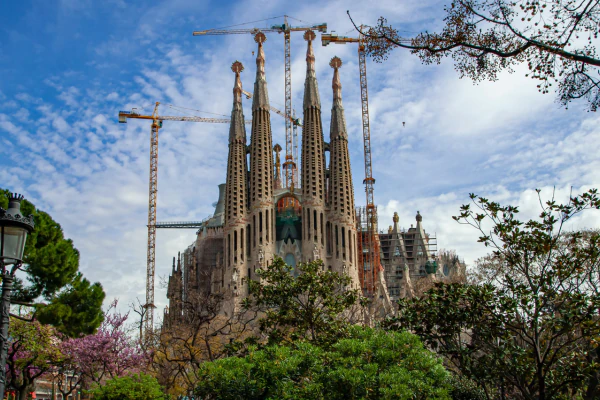
Five curious secrets hidden in plain sight at Barcelona's most iconic landmarks, from towers to church walls.
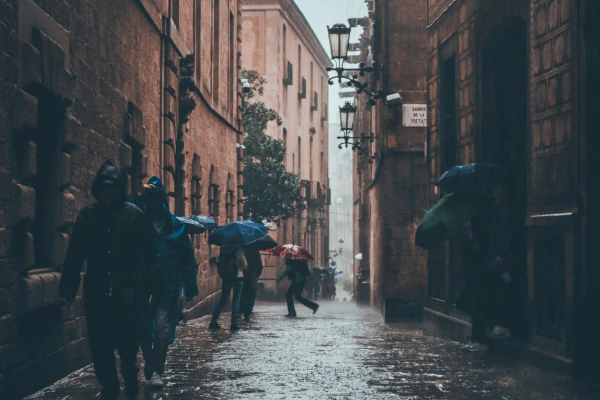
Rain in Barcelona doesn't have to ruin your trip. Discover CosmoCaixa, the Aquàrium and Planeta Magic, three perfect indoor plans to enjoy with kids.
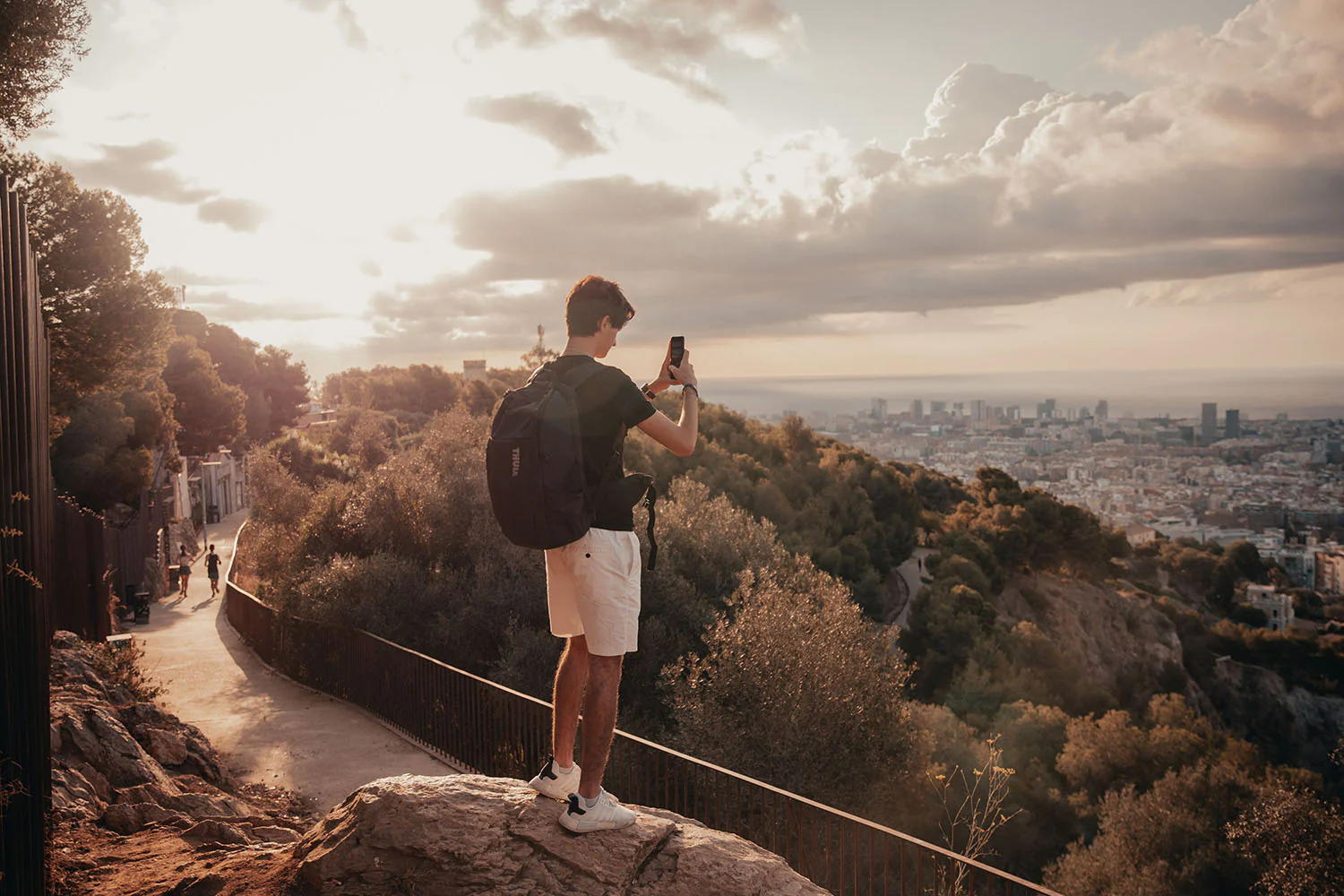
Discover the best views in Barcelona, from Montjuïc and Park Güell to the Bunkers del Carmel, with tips on how to reach each spot and what to expect.
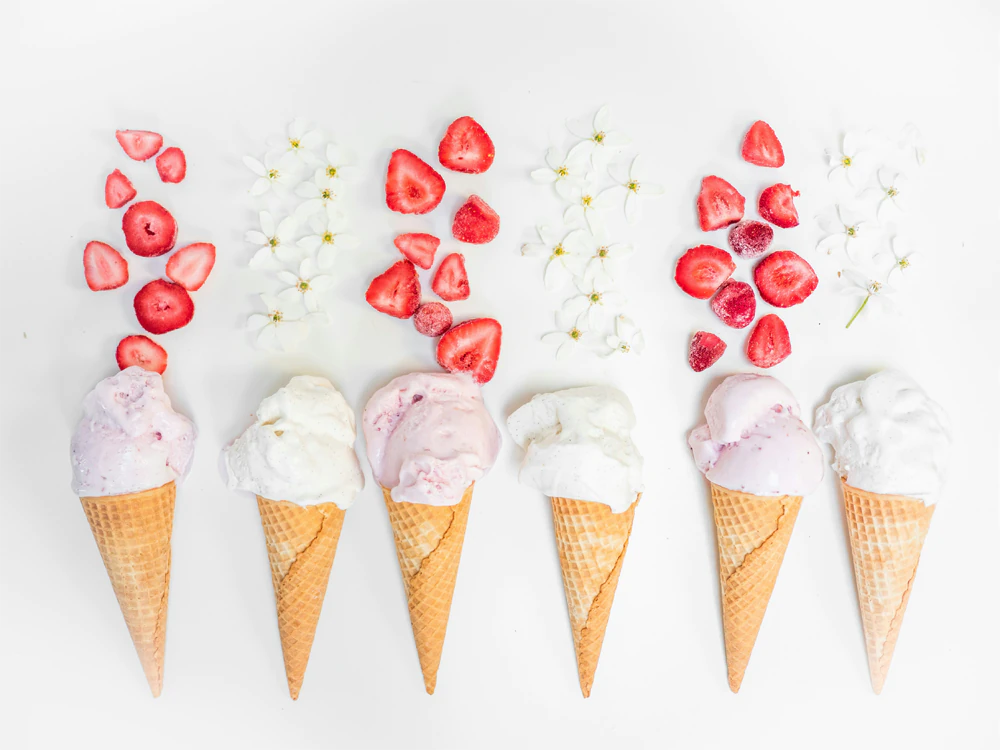
Discover the sweetest side of Barcelona with our guide to the city’s best ice cream and horchata spots.
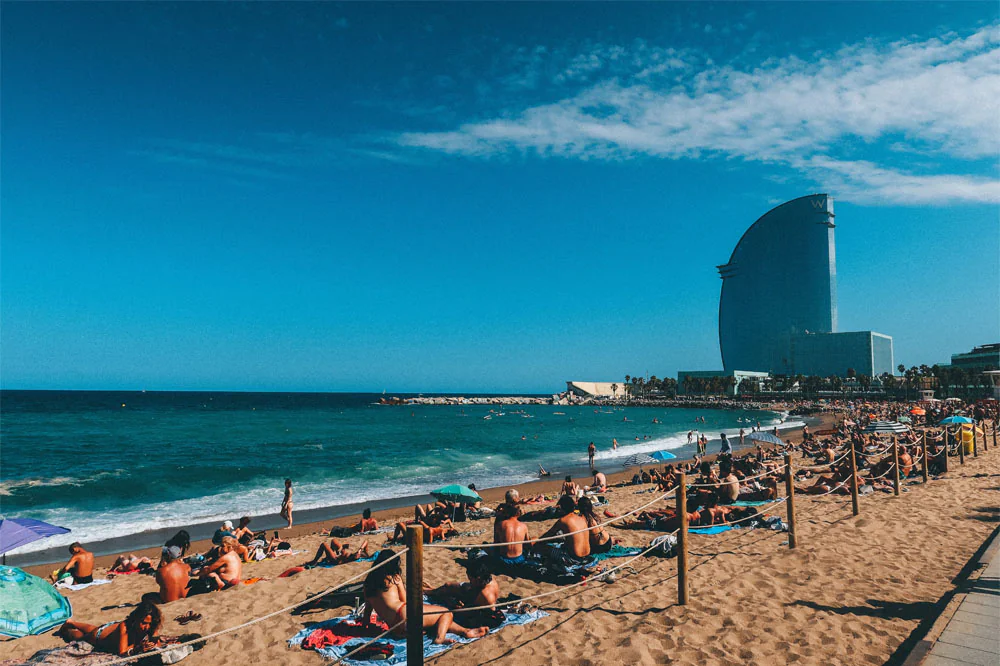
Barcelona comes alive in summer. Here's where to point yourself: beaches, bonfires, open-air theatre, music and the city at its best.
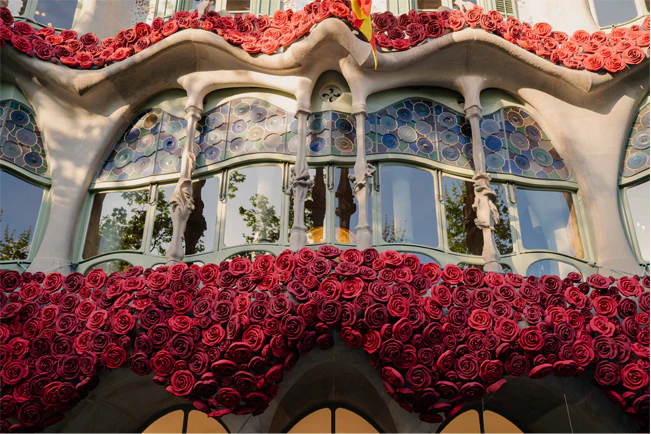
Discover what to do on Sant Jordi Day in Barcelona, from book fairs and roses to cultural spots and the best places to stay.
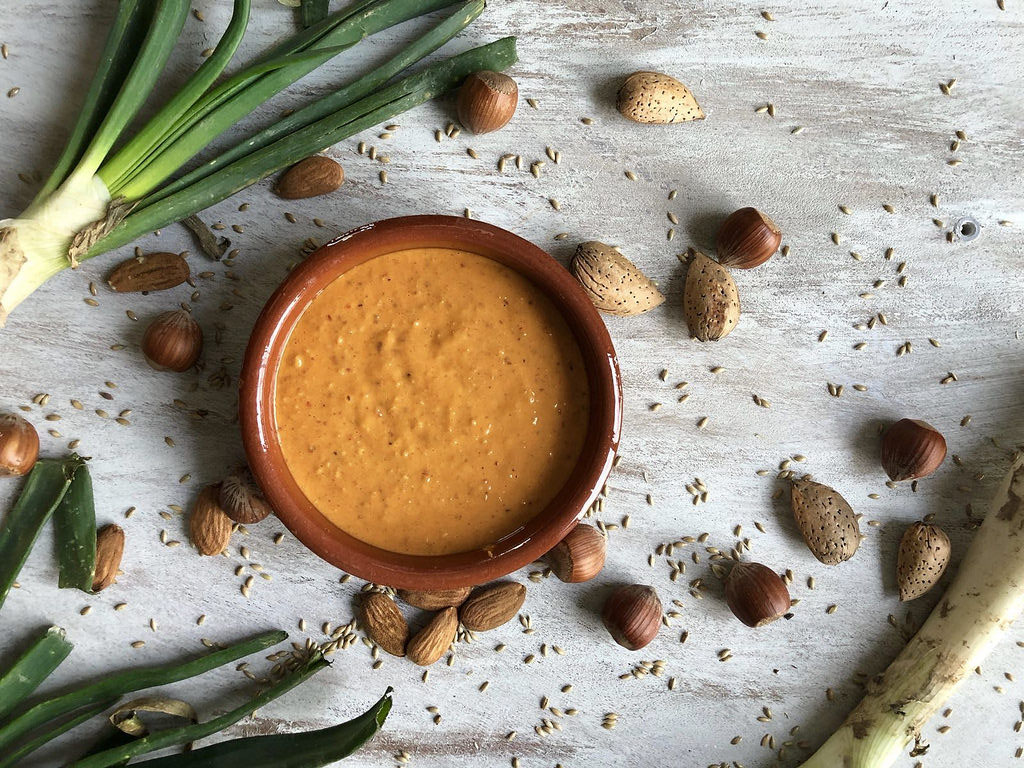
Find out where to enjoy the most delicious calçots in Barcelona. Discover the best restaurants for an authentic calçotada experience this winter!
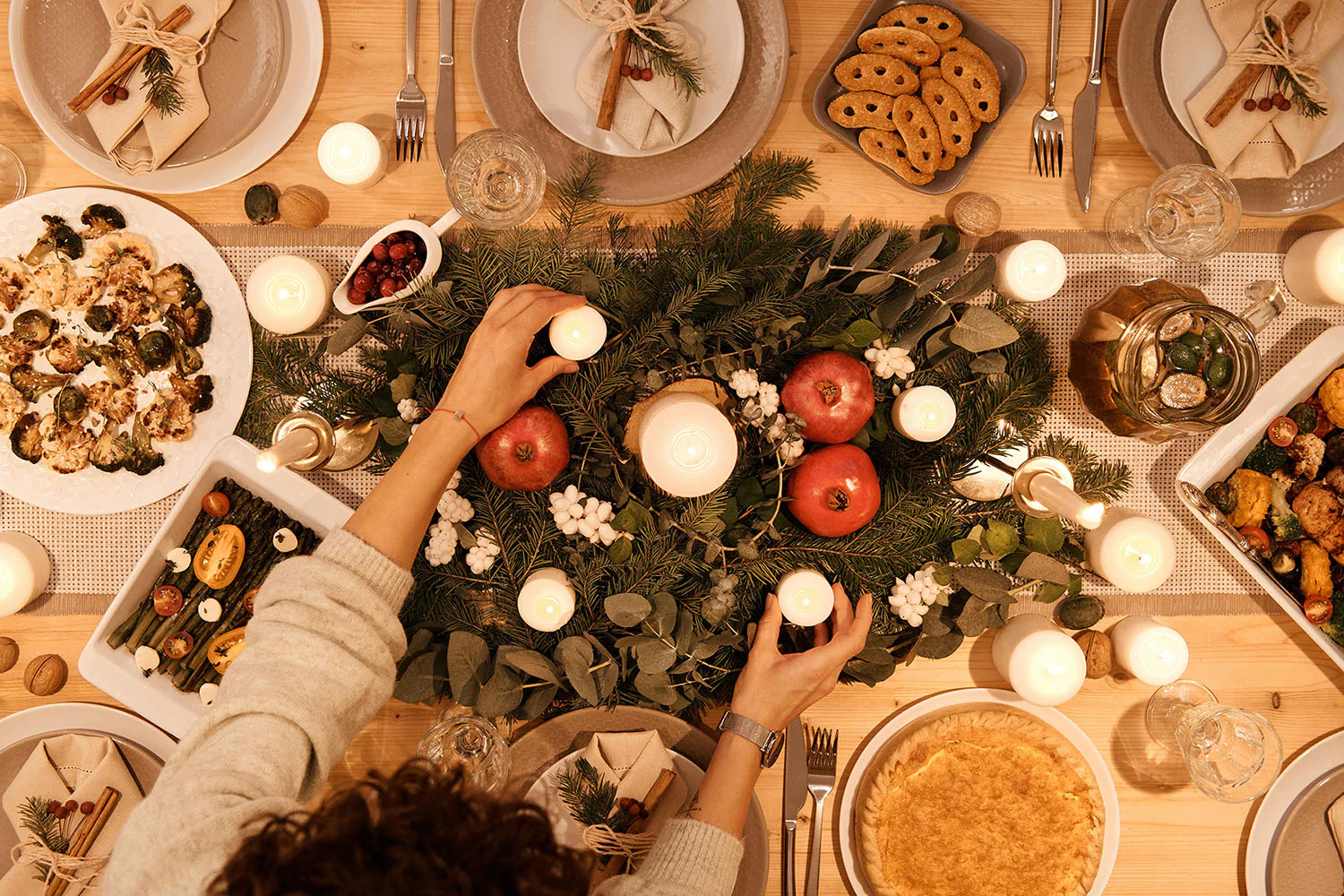
Explore the traditional flavours and festive dishes that make Christmas in Barcelona a delicious seasonal experience.
Autumn in Barcelona combines tradition and fun, from La Castanyada to thrilling Halloween events.
Experience Barcelona from above at the top rooftop terraces with panoramic views.
The 5 best bars to drink vermouth in Barcelona like a local. Terraces, tapas, and tradition in every glass.
Discover Barcelona’s top markets for vintage, design and street food. Unique finds, local flair and the best weekend plans await.
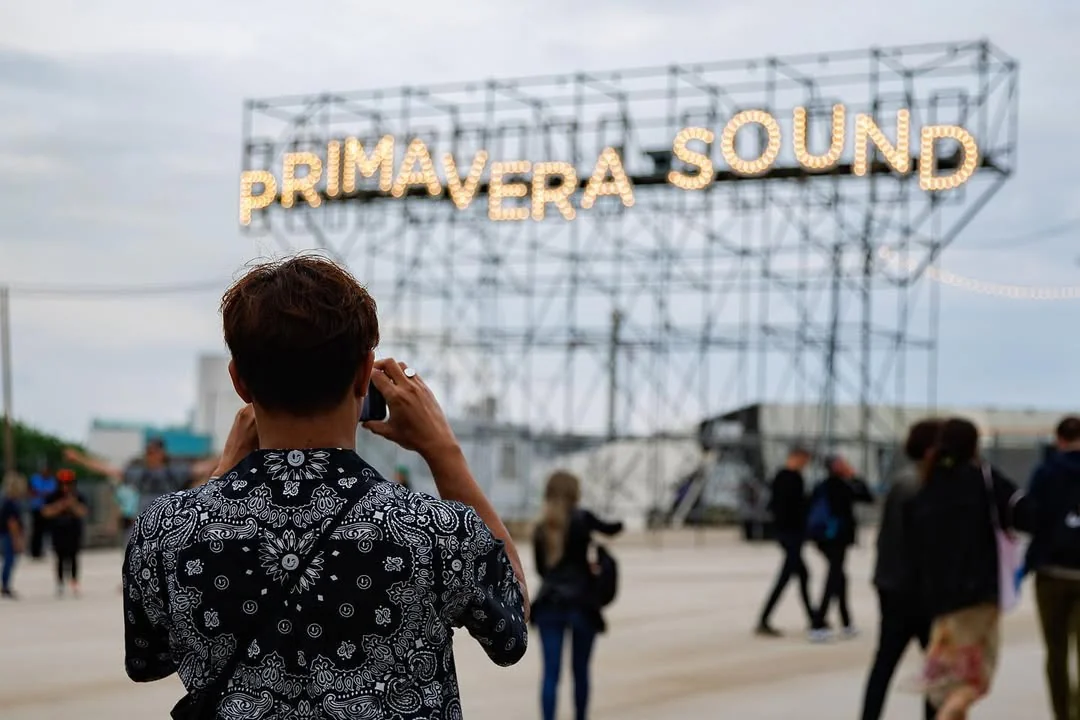
Welcome, music lovers, to one of the most anticipated festivals of the year! Primavera Sound Barcelona 2025 promises an unforgettable experience, blending diverse musical acts with the vibrant culture of the city.
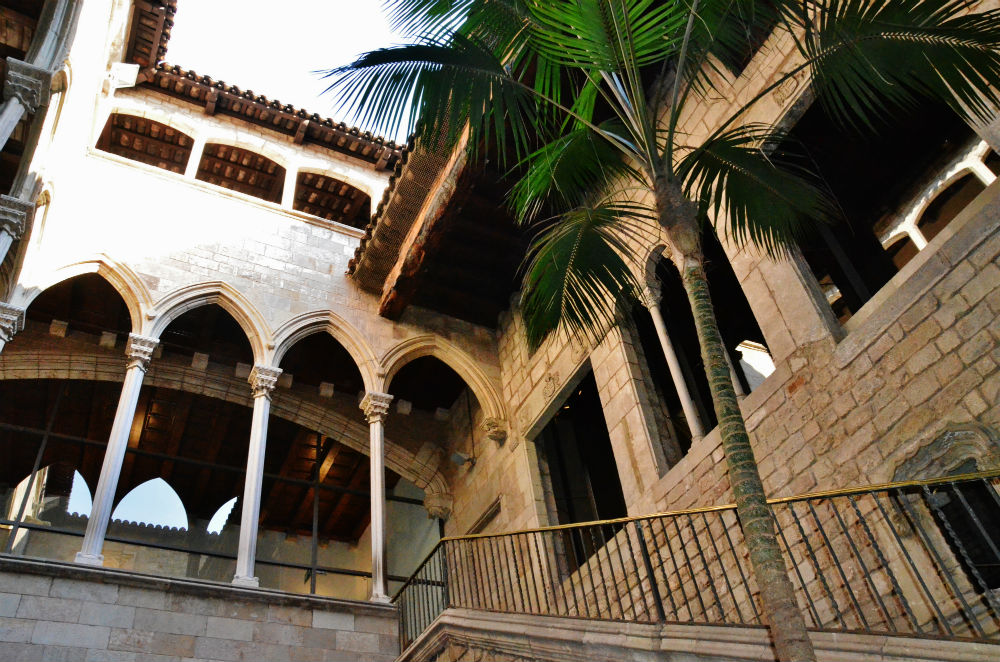
Discover the best museums in Barcelona — from art and design to history and football. Plan a cultural city break with Aspasios.
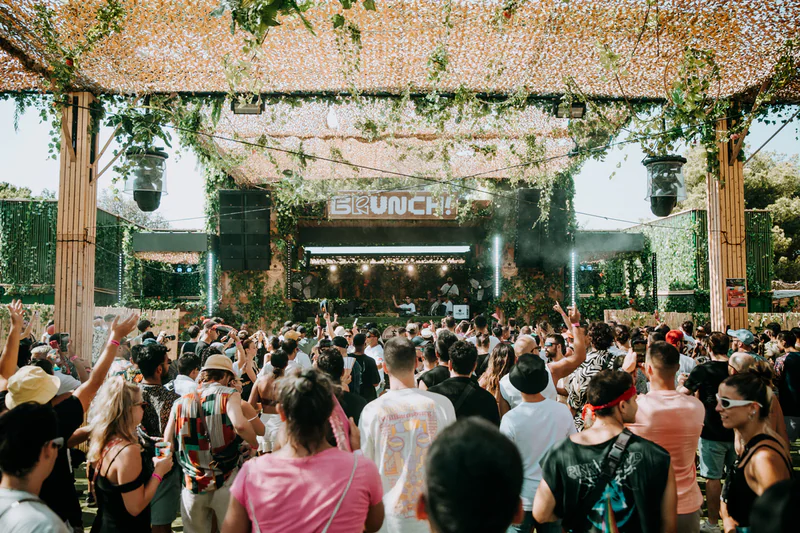
Enjoy Brunch Electronik Barcelona. Sundays filled with electronic music, street food, and a vibrant local vibe in the city’s best open-air venues.
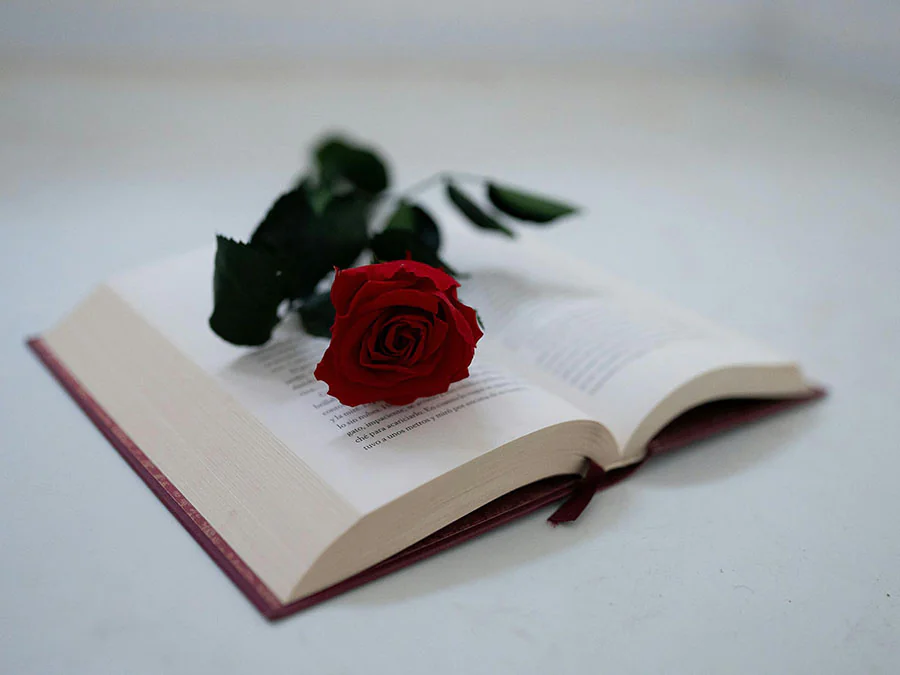
Experience the magic of Sant Jordi in Barcelona, a celebration of love, books, and roses. Discover its origins and top spots to enjoy the festival.
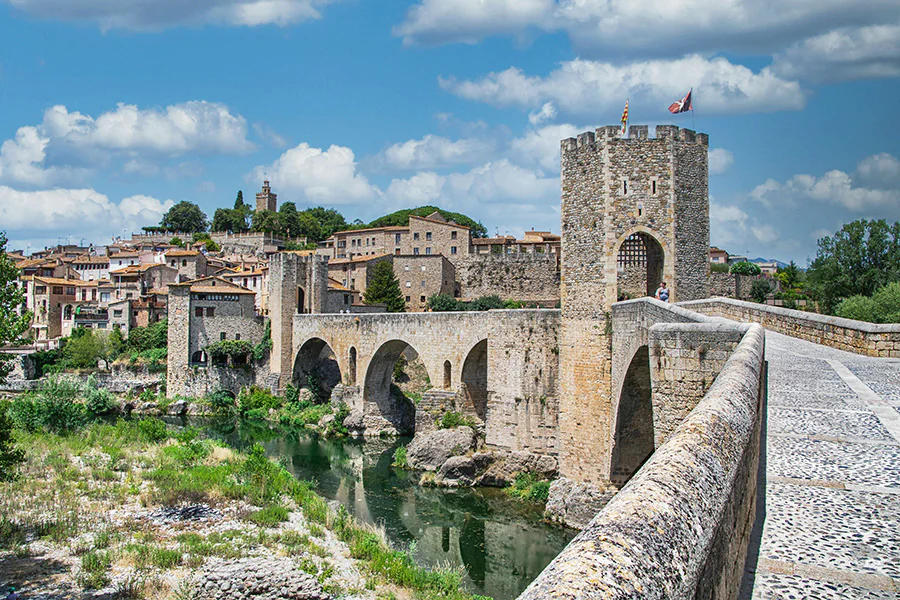
Discover Besalú, a medieval gem near Barcelona, with stone bridges, Catalan cuisine and centuries of history waiting to be explored.
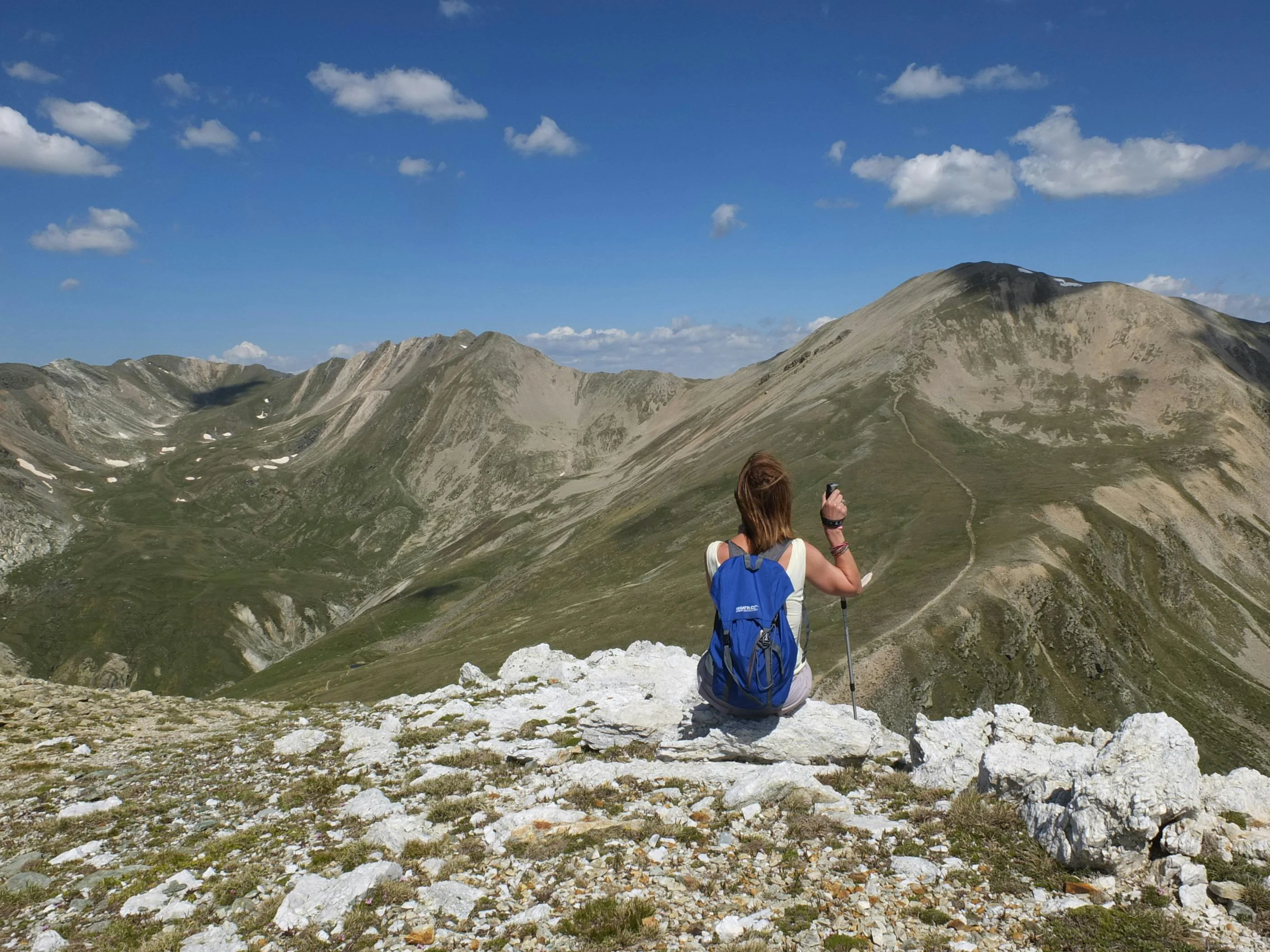
Discover the best places to enjoy nature near Barcelona, from scenic mountains to coastal landscapes. Perfect for hiking and relaxing!
Indulge in Barcelona’s best churros con chocolate! Explore top spots in the city to enjoy this iconic Spanish treat, from classic cafés to gourmet delights.
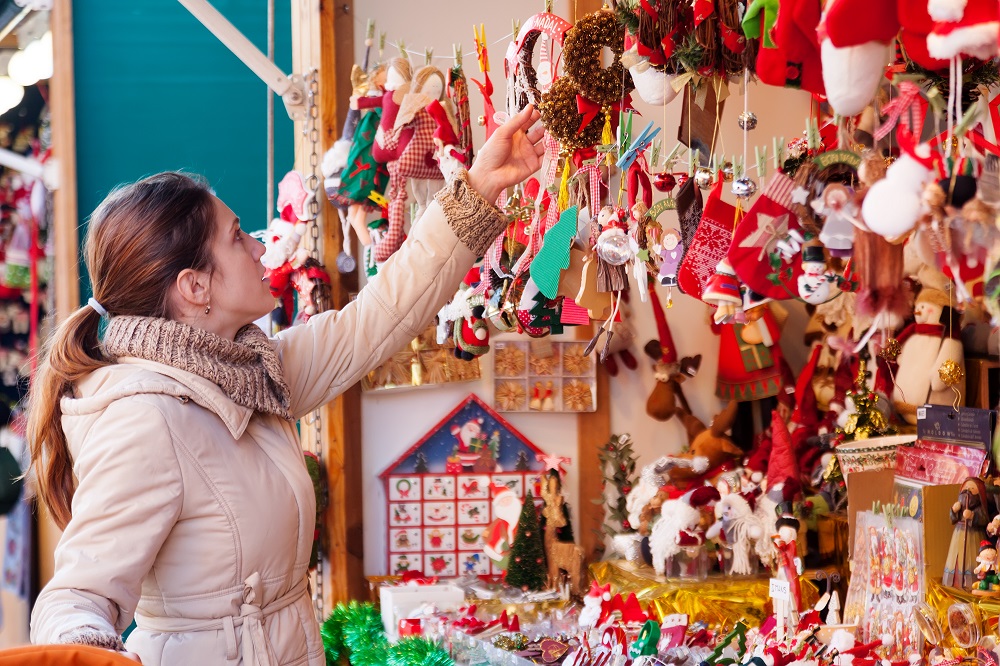
Barcelona celebrates Christmas with unique Catalan traditions, festive markets, delicious local dishes, and joyful events like the Three Kings’ Parade and Copa Nadal. It’s a magical time to experience the city’s culture and holiday spirit.
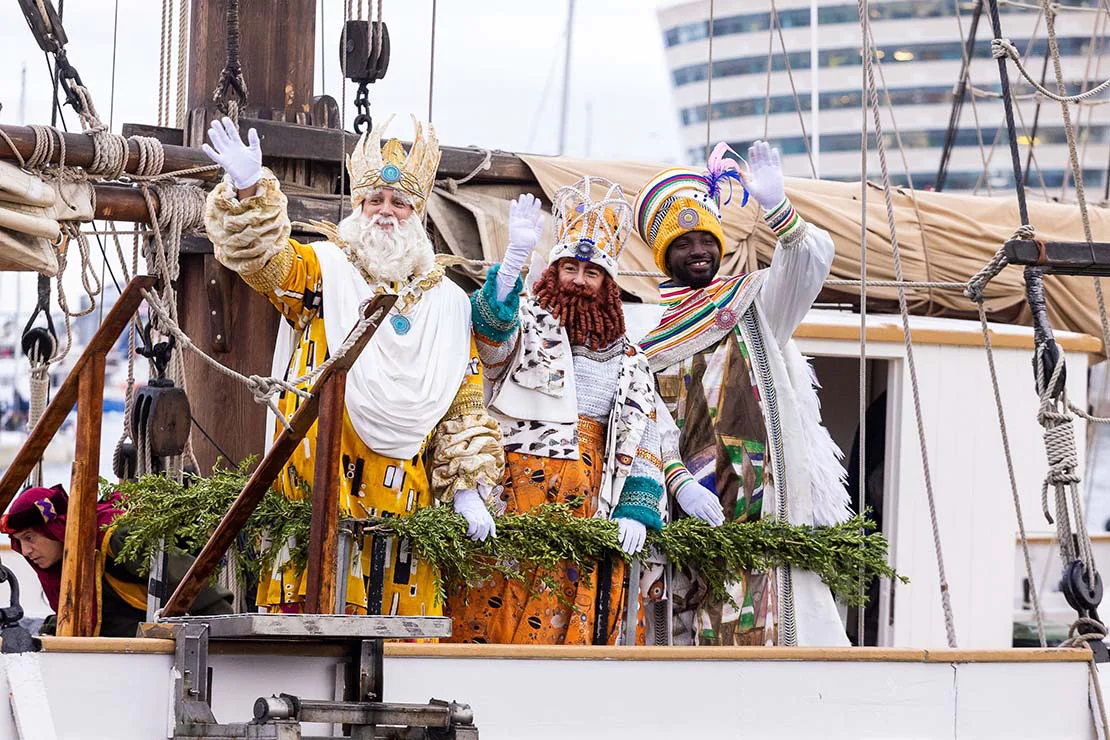
Three Kings' Day in Barcelona is a magical celebration with the spectacular parade, festive markets, and activities for kids. Enjoy nativity scenes and the best Roscón de Reyes while creating unforgettable family memories.
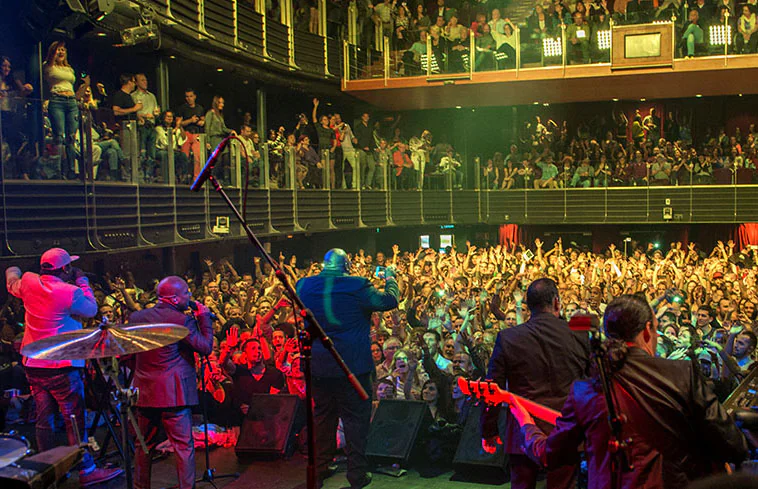
Explore the exciting Jazz Festival in Barcelona, an event that brings together the world’s best jazz talent. Immerse yourself in the city's vibrant music culture.
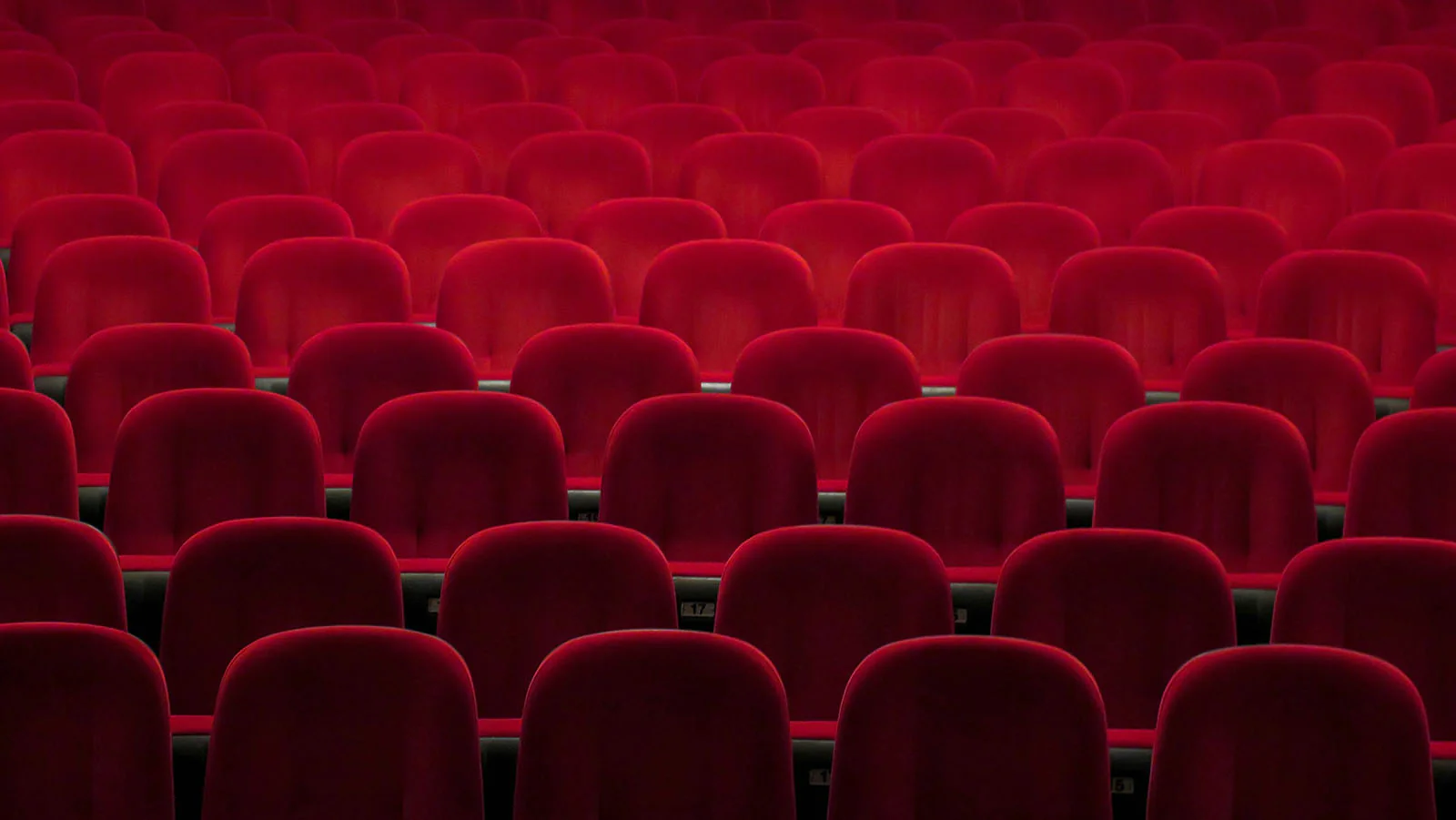
Experience the magic of cinema in Barcelona from November 4 to 7 with tickets for only €3.50. Don’t miss it!
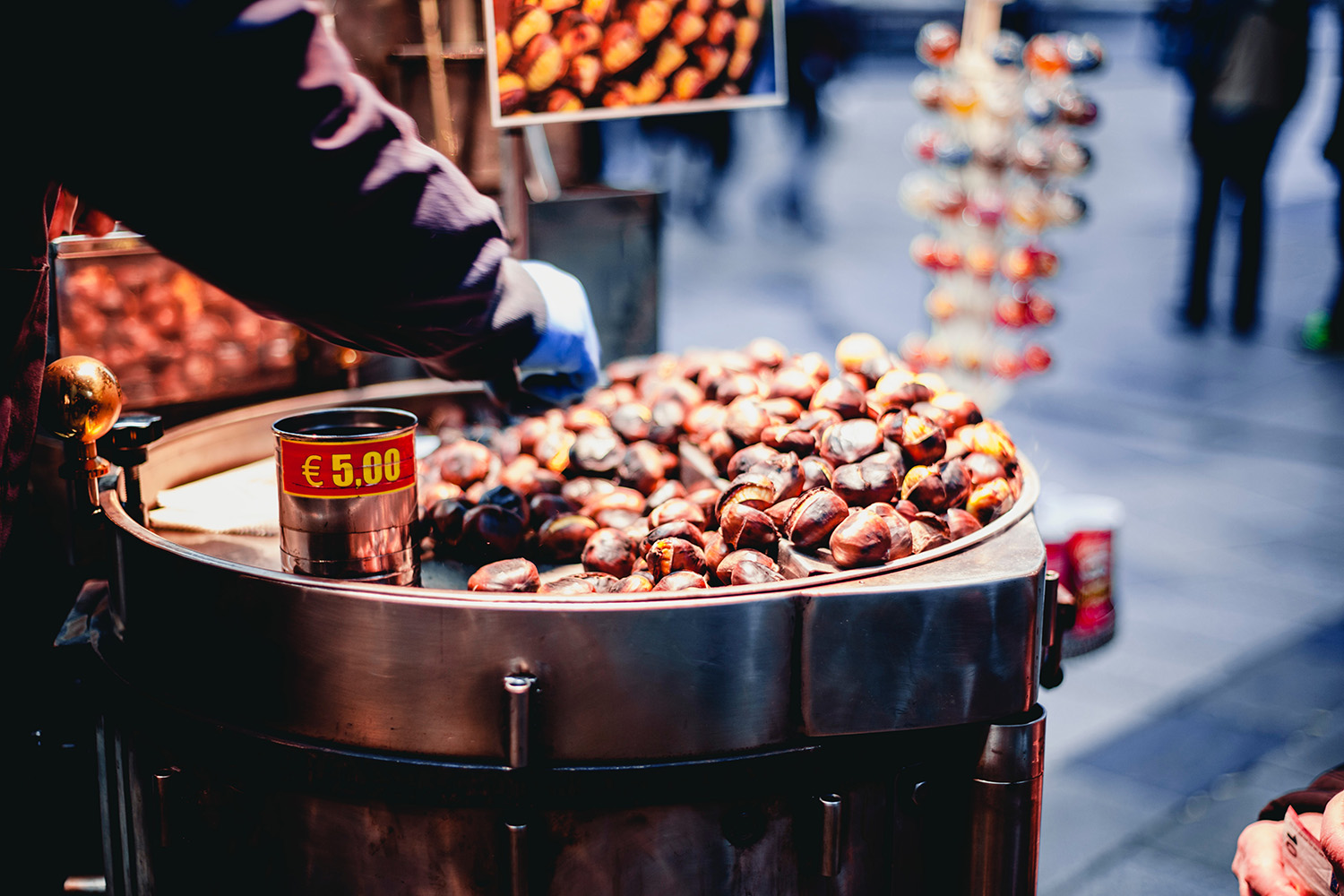
La Castanyada is a Catalan autumn festival celebrated on November 1st with roasted chestnuts, sweet potatoes, and marzipan sweets called panellets, honoring deceased loved ones.
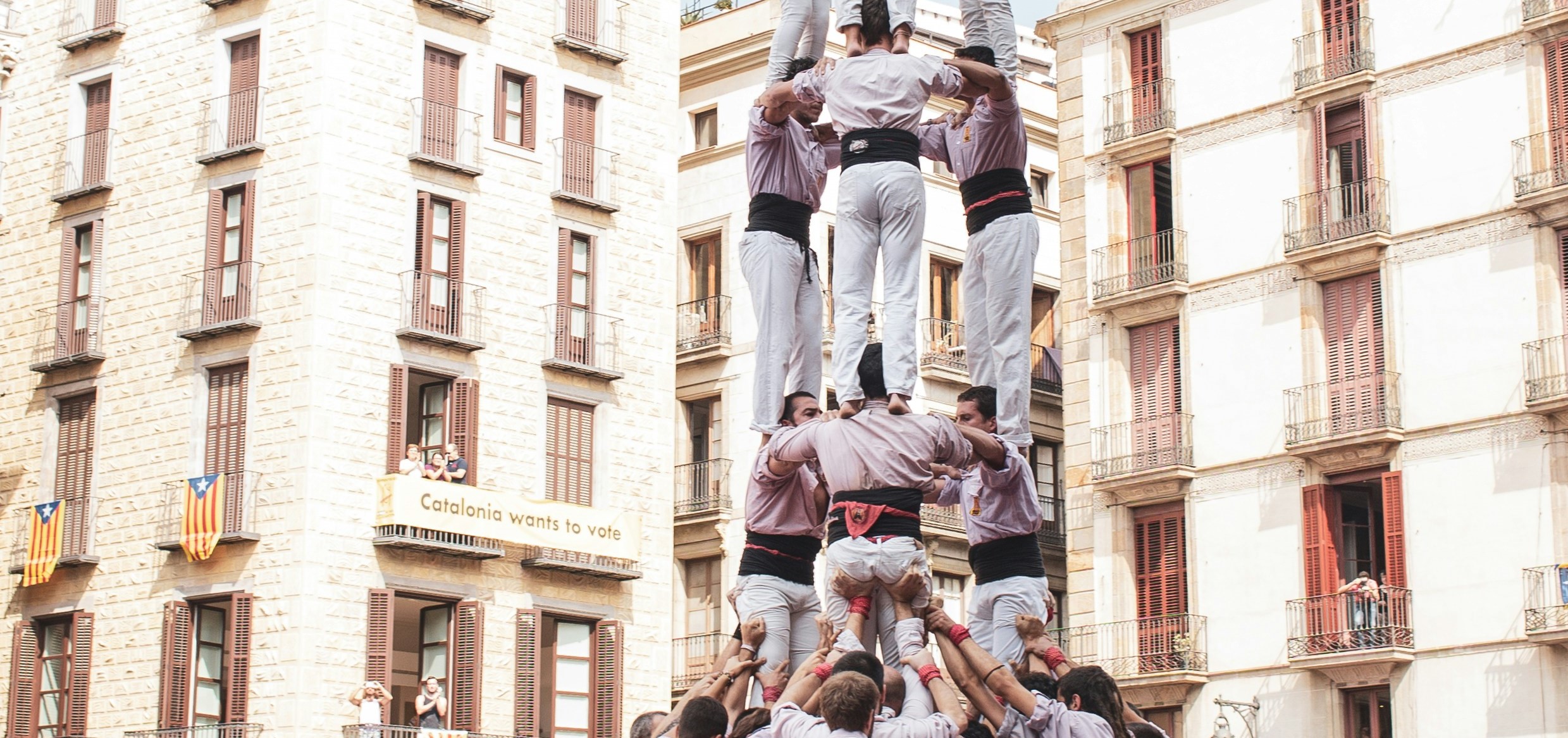
From September 20th to 24th, enjoy Barcelona's popular festival, which features a schedule full of free cultural activities for all ages that will leave you amazed.
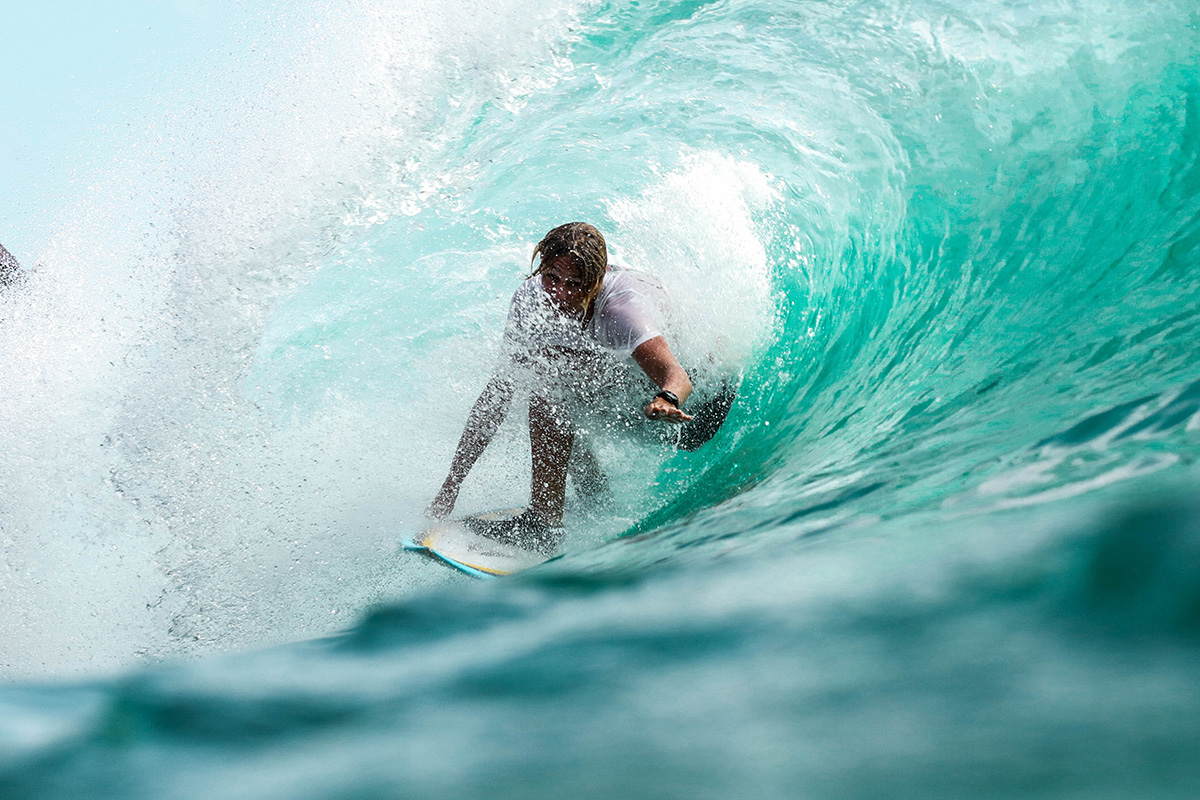
Dive into Barcelona’s best water sports this summer and experience the ultimate aquatic adventure, from surfing to jet skiing along the stunning coastline!
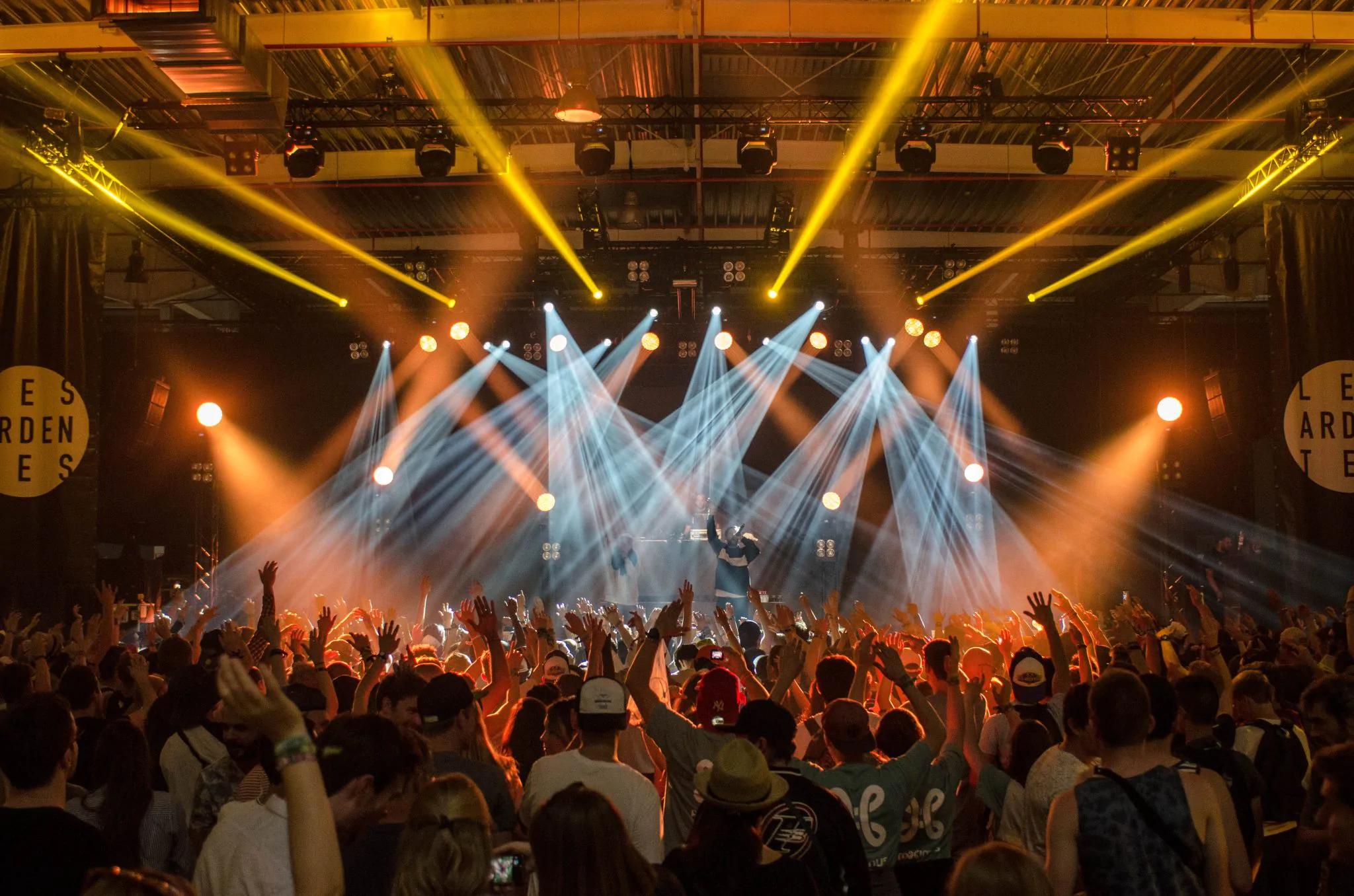
Barcelona comes alive in summer with festivals that blend culture, music, art, and its rich Mediterranean history in a vibrant atmosphere.
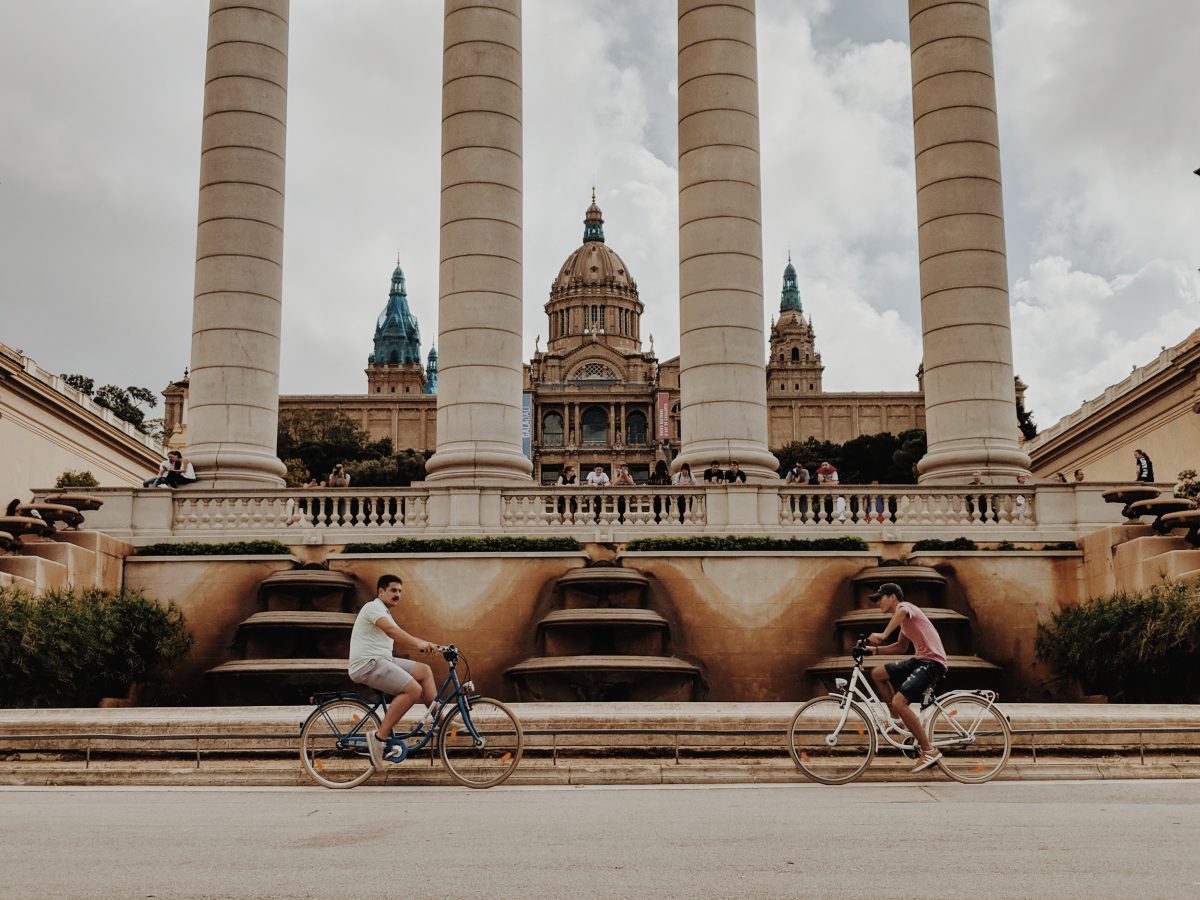
Explore the enchanting city of Barcelona with its vibrant neighbourhoods, breathtaking architecture, and picturesque beaches. In our blog, we invite you to join us on an immersive journey as we navigate the bustling streets and scenic pathways of Barcelona by bike.
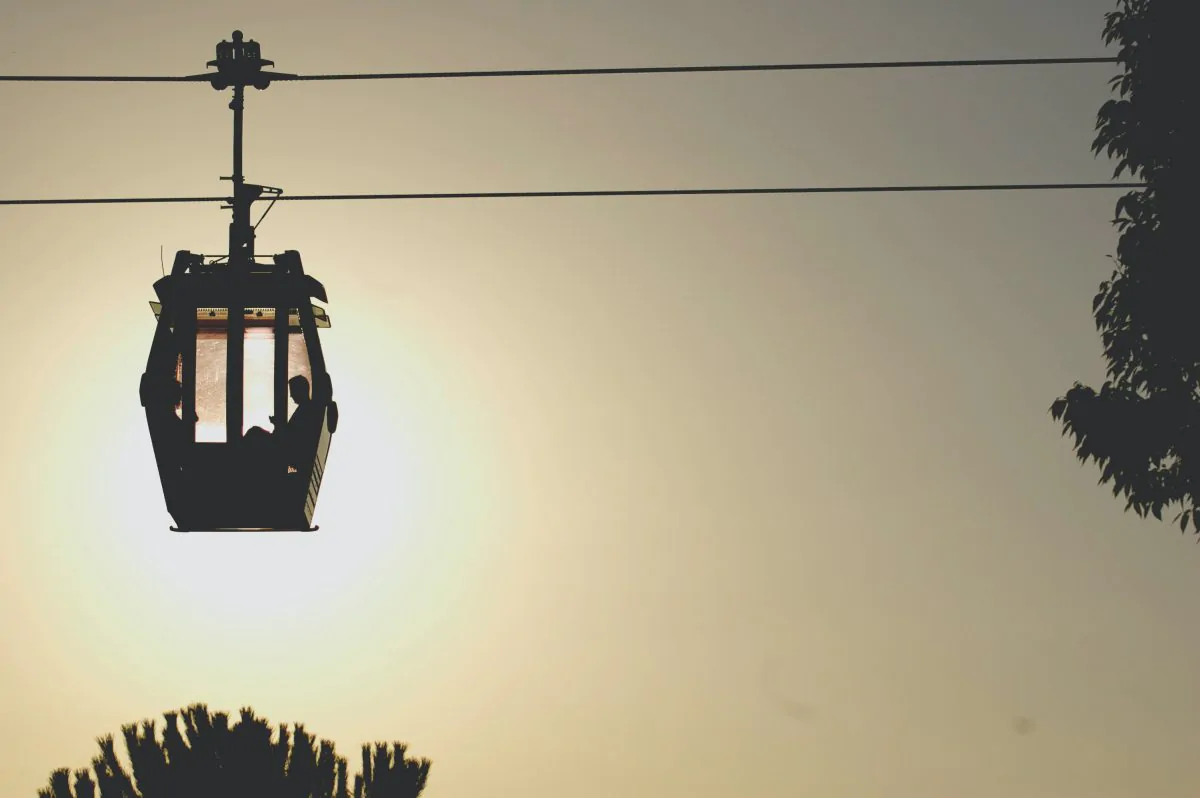
Barcelona’s cable car crosses 1,300 meters (4,265 feet) in ten minutes to reach Montjuïc Hill, taking its passengers on a journey through time with a wonderful landscape to admire.
Barcelona, the gem of Catalonia, is known for many things: beautiful beaches, modernist architecture, spectacular cuisine, and its vibrant festival culture. So do not miss next 22nd of September, the opening of La Mercè 2023, and experience Barcelona’s festival with Aspasios.
 Volver al blog