BOOK DIRECTLY ON OUR WEBSITE AND ENJOY UP TO 20% DISCOUNT.

BOOK DIRECTLY ON OUR WEBSITE AND ENJOY UP TO 20% DISCOUNT.
Enter the dates
19 May 2026
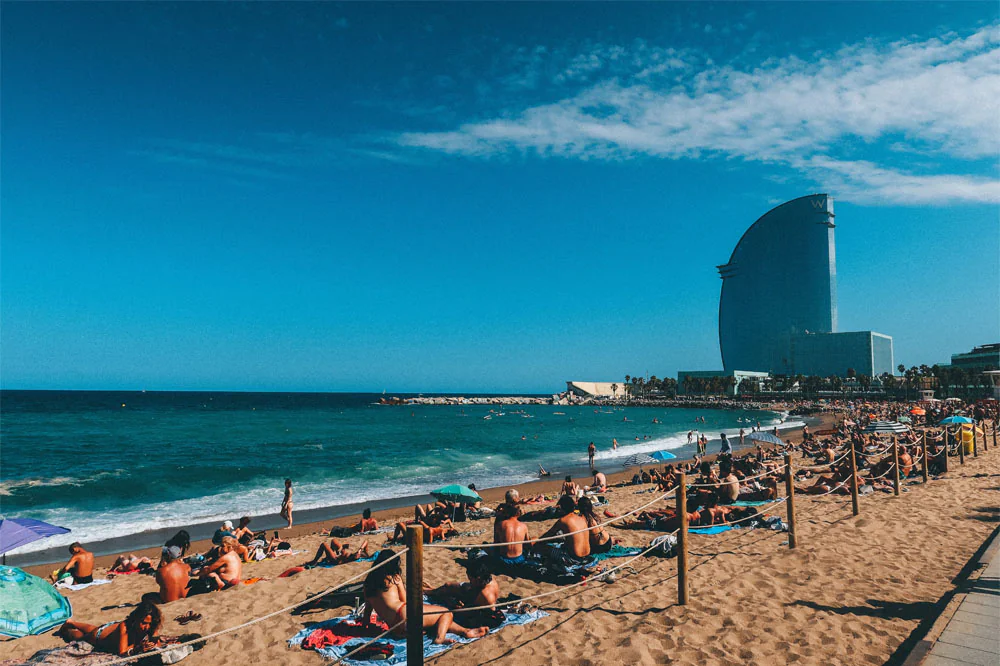
By late June, Barcelona runs on a different clock. Terraces fill up before sunset. The smell of sunscreen drifts inland from the Barceloneta. The Gràcia neighbourhood starts hanging lights that will stay up for weeks. It's not just the weather that changes: the city's social fabric shifts. Locals who usually keep things indoors spread onto streets, parks and rooftops. If you happen to be visiting for three or four days, that energy is yours to tap into. Here's where to point yourself.
Barcelona's city beaches, such as Barceloneta, Mar Bella and Nova Icària, are convenient but genuinely crowded in July and August. They work well for an afternoon dip after a morning in the Eixample, but if beach time is a priority, it's worth knowing the options 20–30 minutes out.
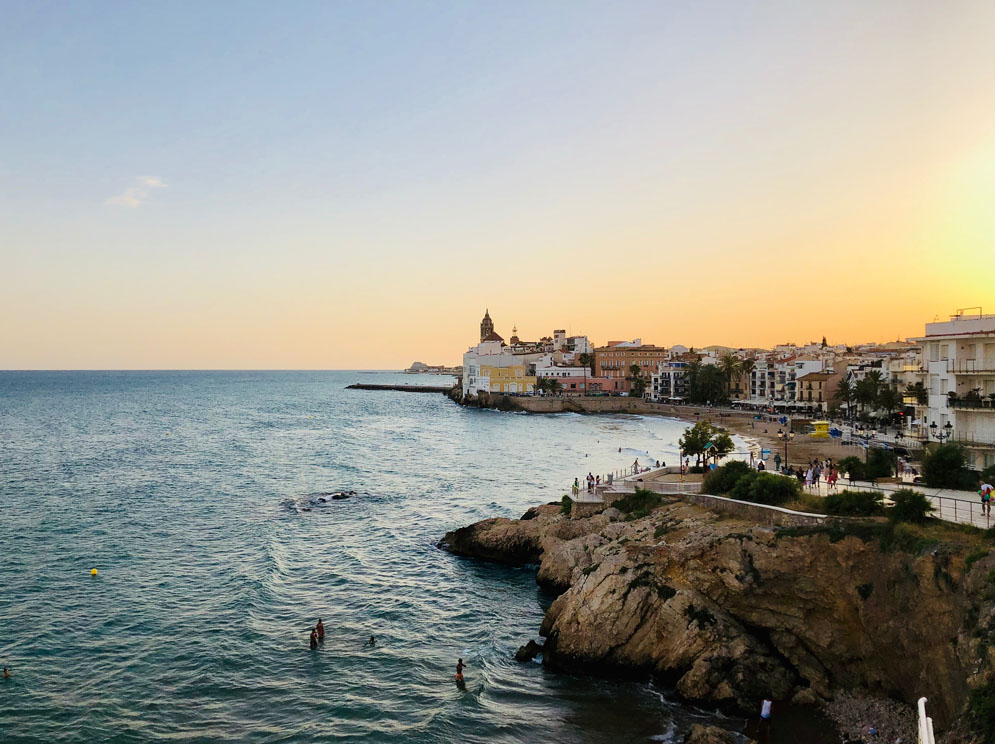
Sitges, 35 minutes by Rodalies train (line R2 Sud from Passeig de Gràcia), has several beaches with calmer water and more room to breathe. Premià de Mar, reachable on the R1 line from Clot, is a working-class coastal town with almost no tourists and good sand. Neither requires a car.
One practical note: the UV index in Barcelona in summer regularly hits 8–9 between noon and 4pm.
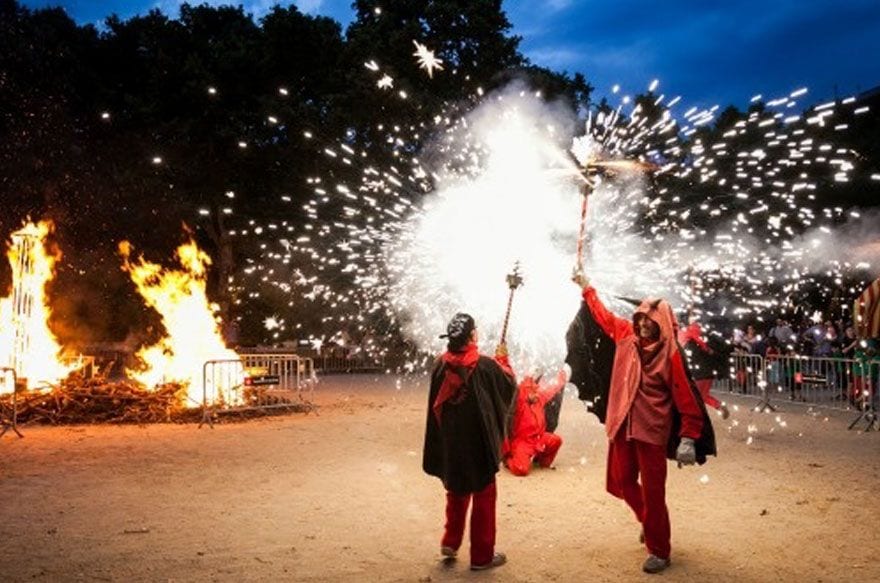
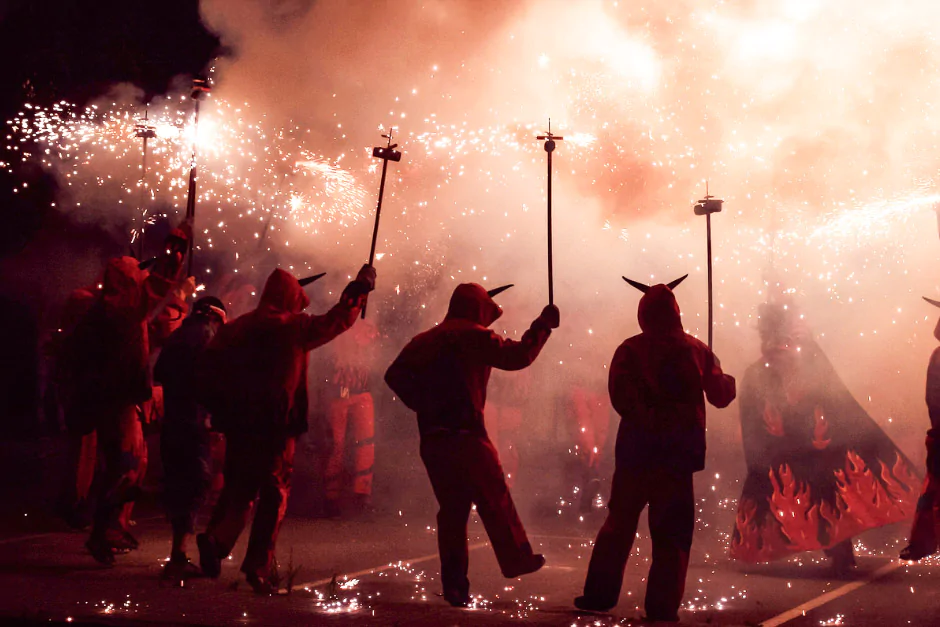
If your trip falls on or near 23 June, clear your evening. La Nit de Sant Joan, the Night of Fire, is the celebration Catalans describe as bigger than New Year's Eve. It's one of those rare events a city does entirely for itself, not for tourism.
The ritual starts at Plaça de Sant Jaume, where the Flama del Canigó arrives in the afternoon: a flame brought down from the Pyrenees, used since the 1970s to light bonfires across every neighbourhood. By nightfall, the streets smell of gunpowder and the sky is continuous with fireworks.
Over 70,000 people head to the beaches, where chiringuitos crank up the music and bring out the DJs. Arrive before 21:00 if you want space on Nova Icària or Barceloneta. For a quieter option, Montjuïc castle offers panoramic views of fireworks across the entire city.
One practical note: 24 June is a public holiday. Stock up on food and supplies the day before. The metro runs through the night.
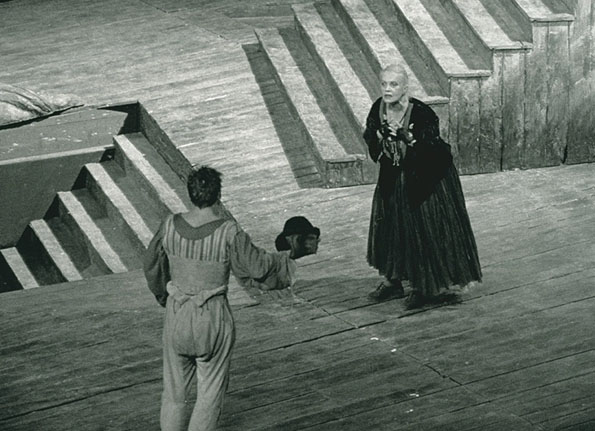
Every summer since 1976, the Festival Grec has turned Montjuïc into Barcelona's main cultural stage. The 2026 edition, the festival's 50th anniversary, runs from 29 June to 31 July across roughly 50 venues, with nearly 100 productions spanning theatre, dance, circus, music and cinema.
The anchor venue is the Teatre Grec: an open-air amphitheatre built into the Montjuïc hillside for the 1929 International Exhibition, with stone seating, a stage framed by cypress trees, and the city visible beyond. An evening performance there is worth it as an experience in itself, regardless of what's on.
Some events are free; ticketed shows vary widely in price, and multiday passes offer significant discounts. The full programme is at barcelona.cat/grec.
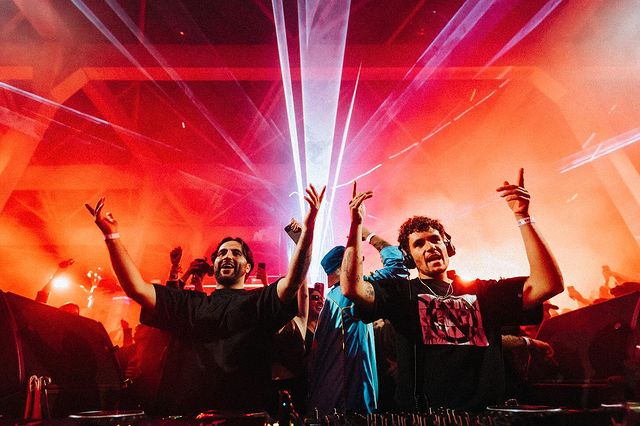
Every Sunday from early June through late September, Brunch Electronik takes over the Jardins Joan Brossa on Montjuïc, a terraced garden with views over the port, for an afternoon-to-night programme of electronic music. It has been running since 2013 and is one of the more reliable fixtures of Barcelona's summer calendar.
Doors open around 12:00 and music runs until 23:00. The lineup moves from warmer sounds in the afternoon toward deeper club territory as the light fades. Tickets are around €27–42 depending on the date, available in advance at brunchelectronik.com.
A good option for a Sunday when you want good music and an outdoor setting without a 3am finish.
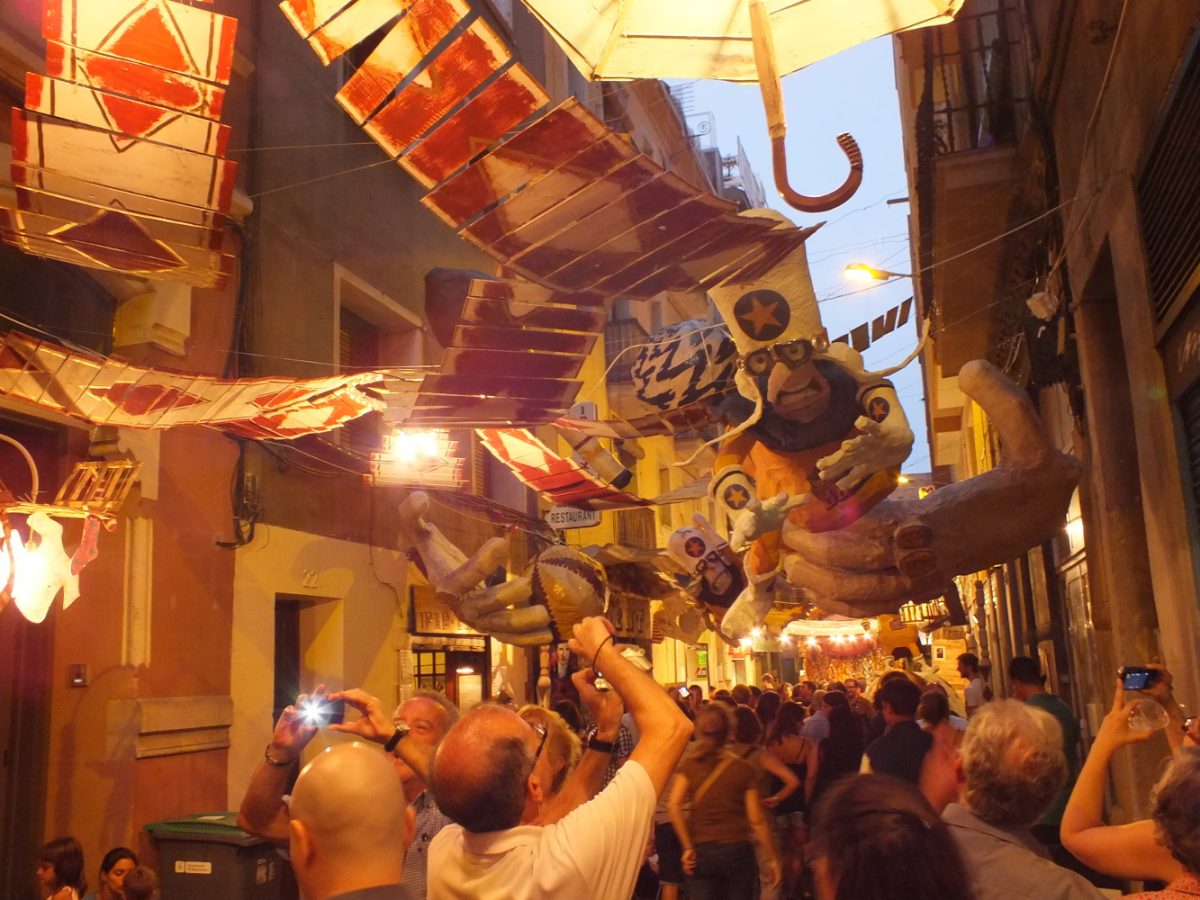
During the third week of August, the Gràcia neighbourhood holds its annual festival. The headline event is the street decoration competition: residents spend months building elaborate thematic installations that completely transform the public space.
Streets like Carrer de Verdi, Carrer de Puigmartí or Carrer de la Fraternitat become outdoor galleries. Themes have ranged from deep-sea creatures to geometric abstraction, built entirely from recycled materials. A panel of judges awards prizes, and the rivalry between streets is real.
Concerts and activities are free. It gets very busy in the evenings, which is also when the decorations look best.
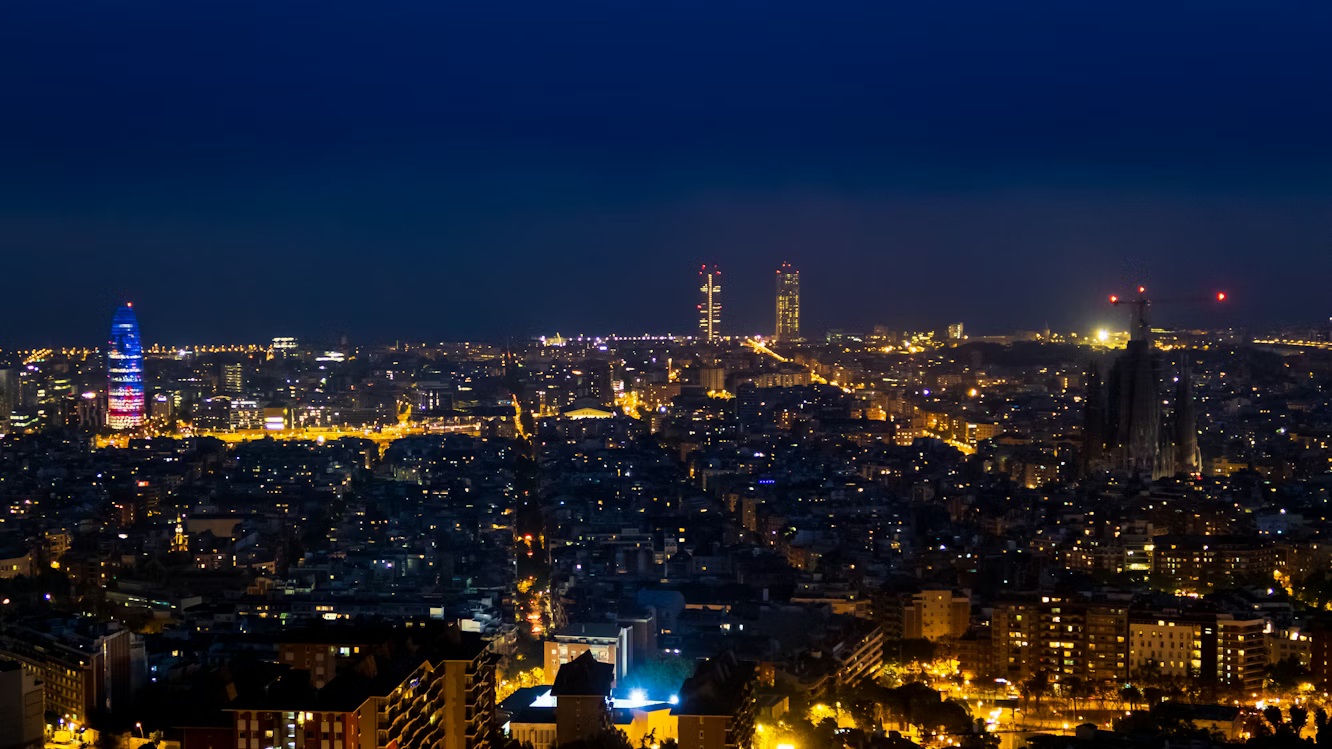
Barcelona's night doesn't follow the same logic as other cities. Dinner before 21:00 marks you as a tourist. Clubs don't fill up until past midnight. In summer, much of what happens indoors the rest of the year moves outside.
Sala Apolo (Carrer Nou de la Rambla, Poble Sec) runs its "Nitsa" electronic music nights year-round and adds outdoor programming in summer. Razzmatazz in Poblenou, with five rooms and different musical styles, is consistently one of the better large venues in the city.
For something lower-key, the bars along Carrer del Parlament in Sant Antoni or the terraces off Plaça de la Vila de Gràcia are solid options. The better cocktail bars, such as Paradiso, Dr. Stravinsky and Two Schmucks, are small and require showing up early or booking ahead.
Barcelona in summer rewards a bit of advance organisation. Festival Grec tickets for in-demand shows sell out early. Brunch Electronik sells in advance. The Gràcia festival brings most of the city into one neighbourhood for a week. La Nit de Sant Joan needs no ticket, but it does need a plan: beach spot secured, supplies stocked the day before, transport sorted.
There is something particular about Barcelona at this time of year. The city stops being something you visit and starts being something you move through. A central base makes that easier: less time in transit, more time in the neighbourhoods where things are actually happening. If you're looking for apartments and boutique hotels well positioned for all of this, Aspasios has properties in the Eixample and other central areas worth considering.
For more guides on what to do and where to stay in Barcelona and other cities, take a look at our blog.
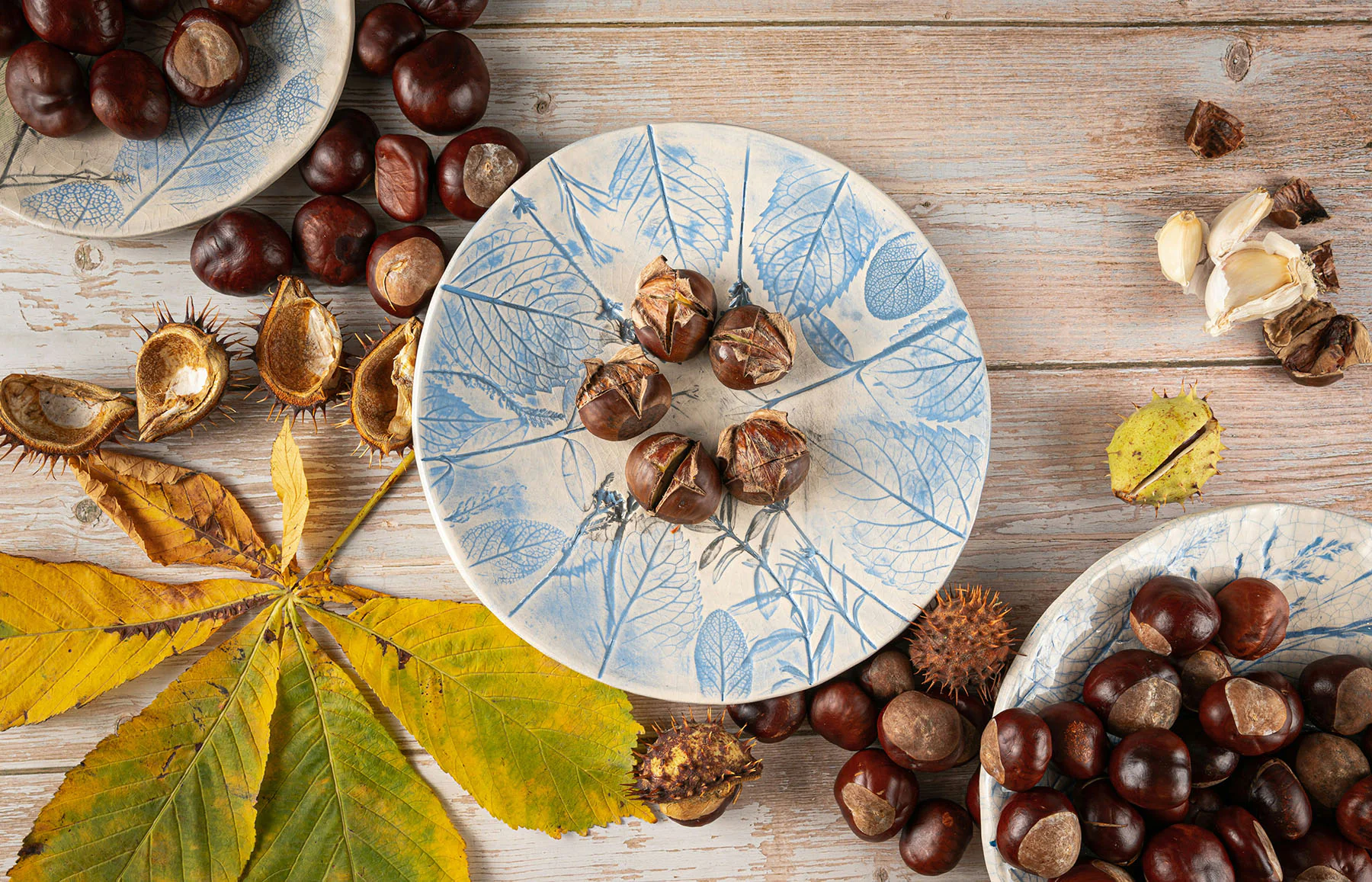
Roasted chestnuts, panellets and sweet wine: discover La Castanyada, Barcelona’s favourite autumn tradition.
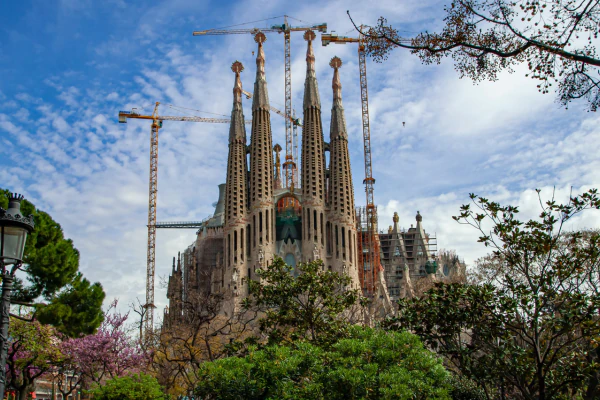
Five curious secrets hidden in plain sight at Barcelona's most iconic landmarks, from towers to church walls.
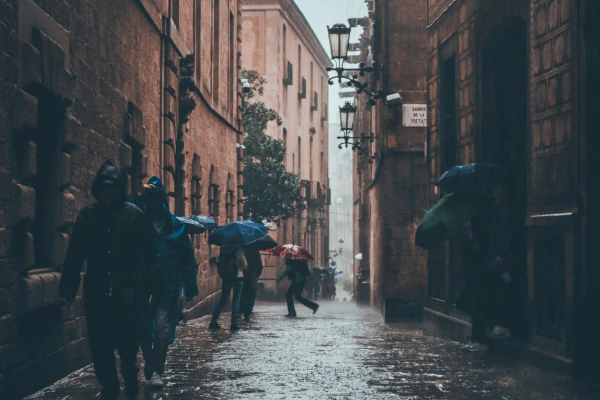
Rain in Barcelona doesn't have to ruin your trip. Discover CosmoCaixa, the Aquàrium and Planeta Magic, three perfect indoor plans to enjoy with kids.
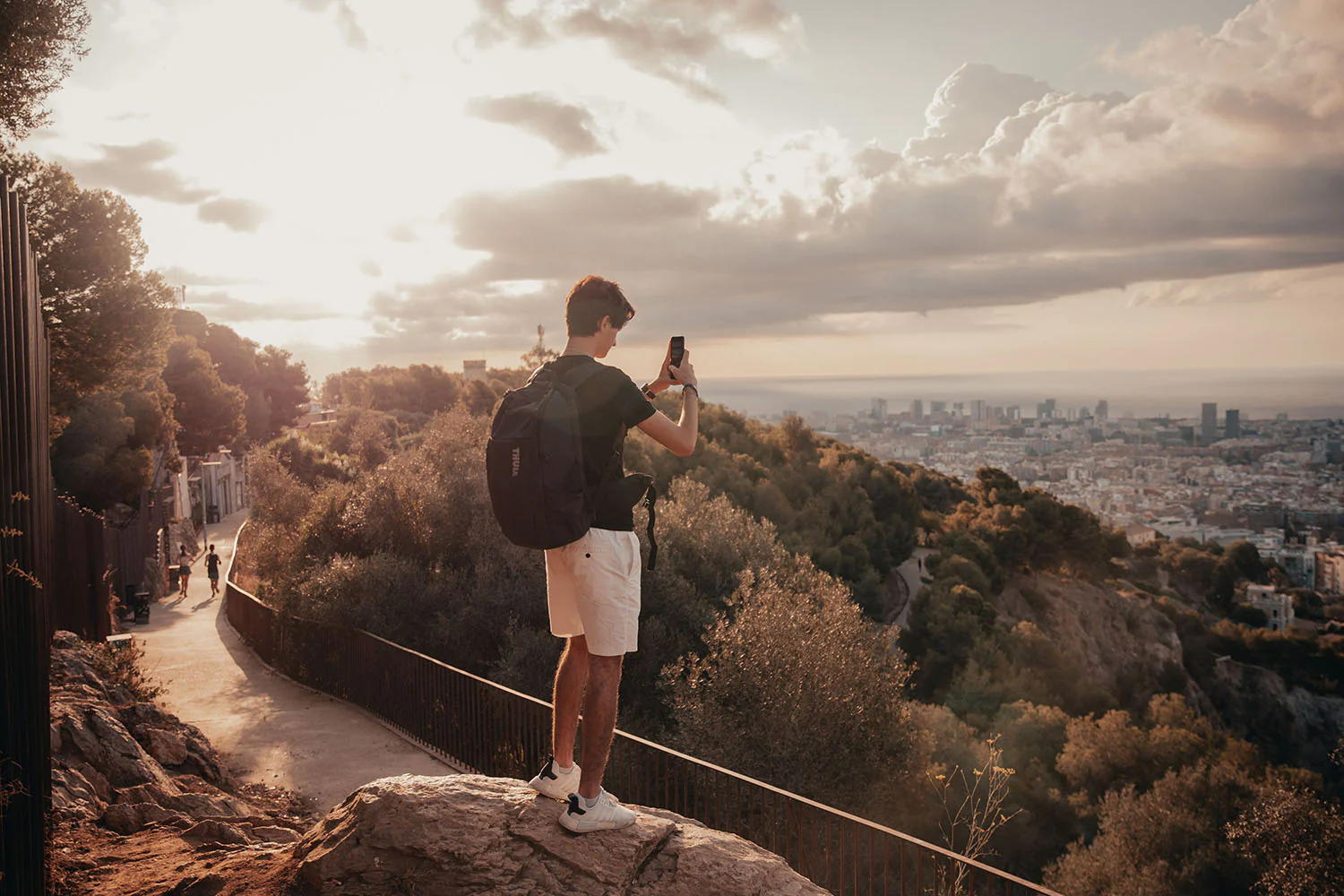
Discover the best views in Barcelona, from Montjuïc and Park Güell to the Bunkers del Carmel, with tips on how to reach each spot and what to expect.
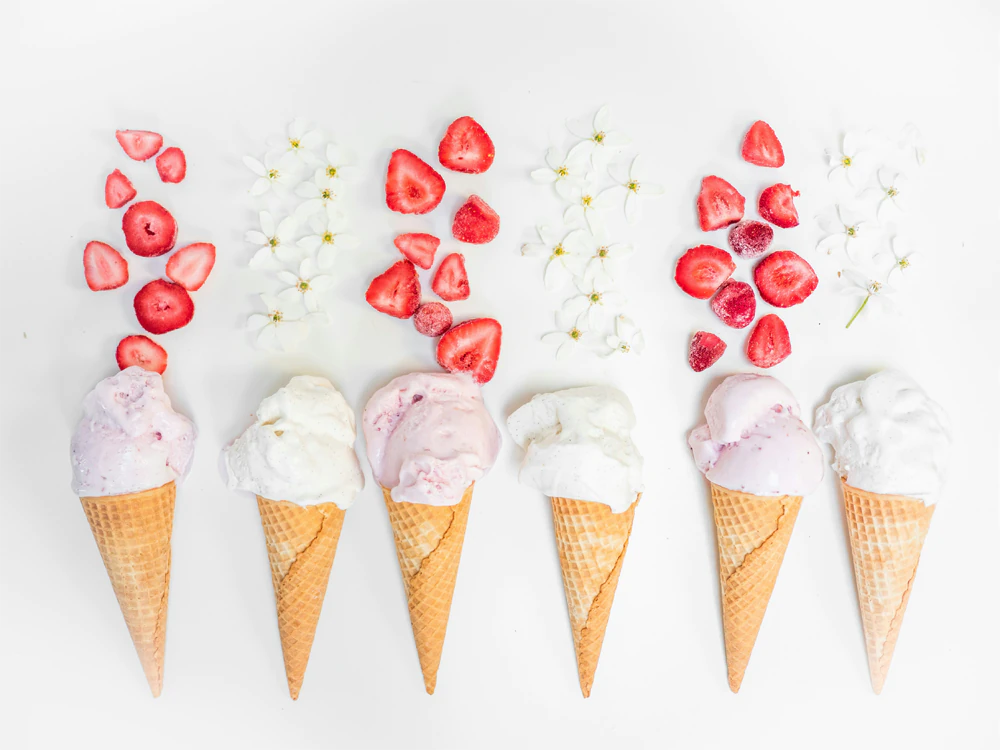
Discover the sweetest side of Barcelona with our guide to the city’s best ice cream and horchata spots.
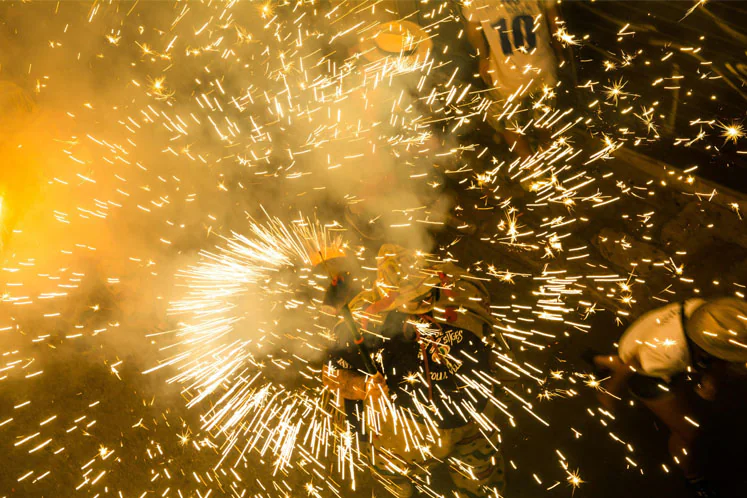
Fire, beach and tradition on the shortest night of the year. Your insider guide to Barcelona's Sant Joan.
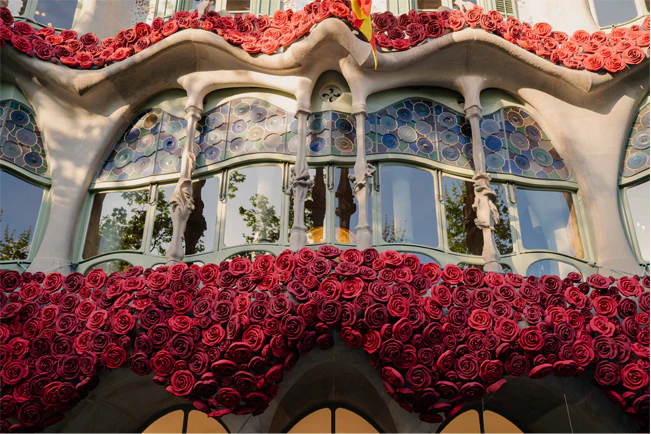
Discover what to do on Sant Jordi Day in Barcelona, from book fairs and roses to cultural spots and the best places to stay.
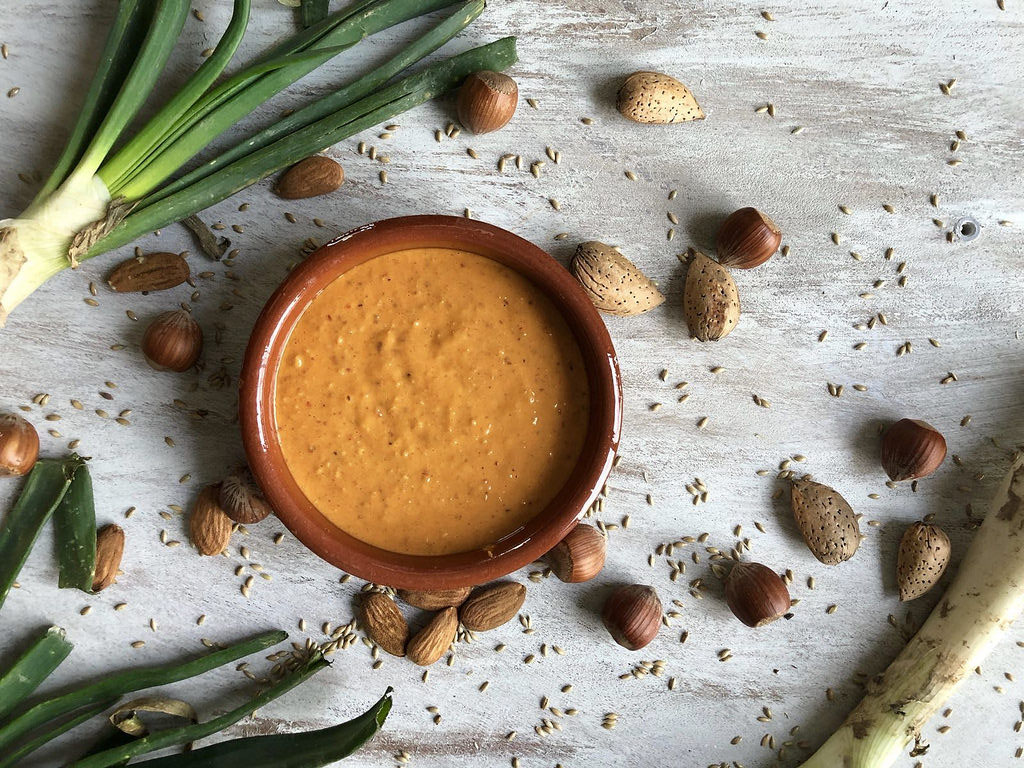
Find out where to enjoy the most delicious calçots in Barcelona. Discover the best restaurants for an authentic calçotada experience this winter!
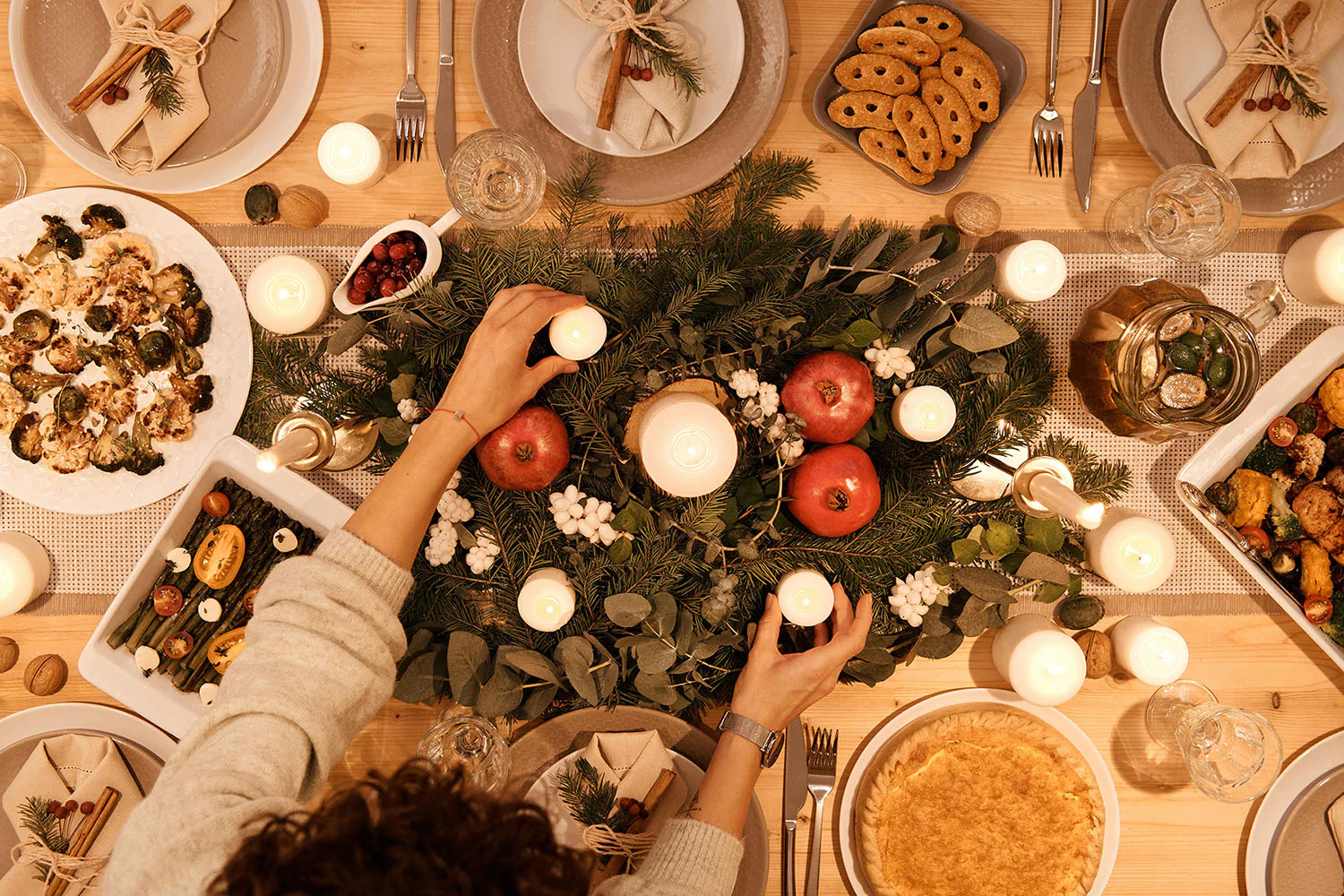
Explore the traditional flavours and festive dishes that make Christmas in Barcelona a delicious seasonal experience.
Autumn in Barcelona combines tradition and fun, from La Castanyada to thrilling Halloween events.
Experience Barcelona from above at the top rooftop terraces with panoramic views.
The 5 best bars to drink vermouth in Barcelona like a local. Terraces, tapas, and tradition in every glass.
Discover Barcelona’s top markets for vintage, design and street food. Unique finds, local flair and the best weekend plans await.
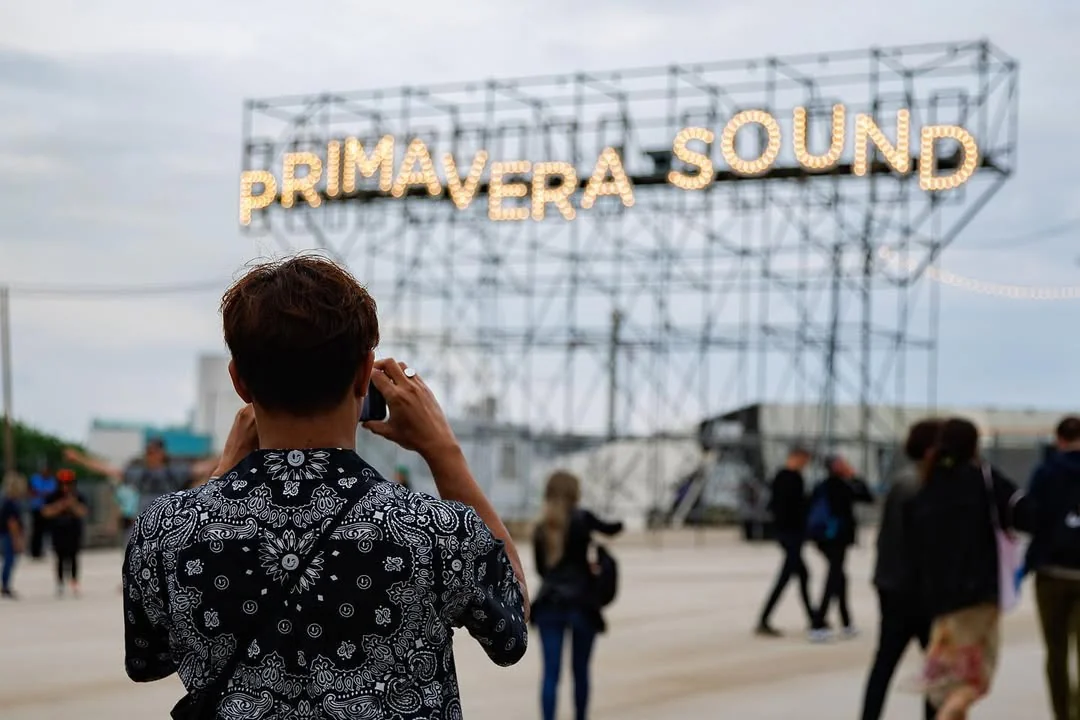
Welcome, music lovers, to one of the most anticipated festivals of the year! Primavera Sound Barcelona 2025 promises an unforgettable experience, blending diverse musical acts with the vibrant culture of the city.
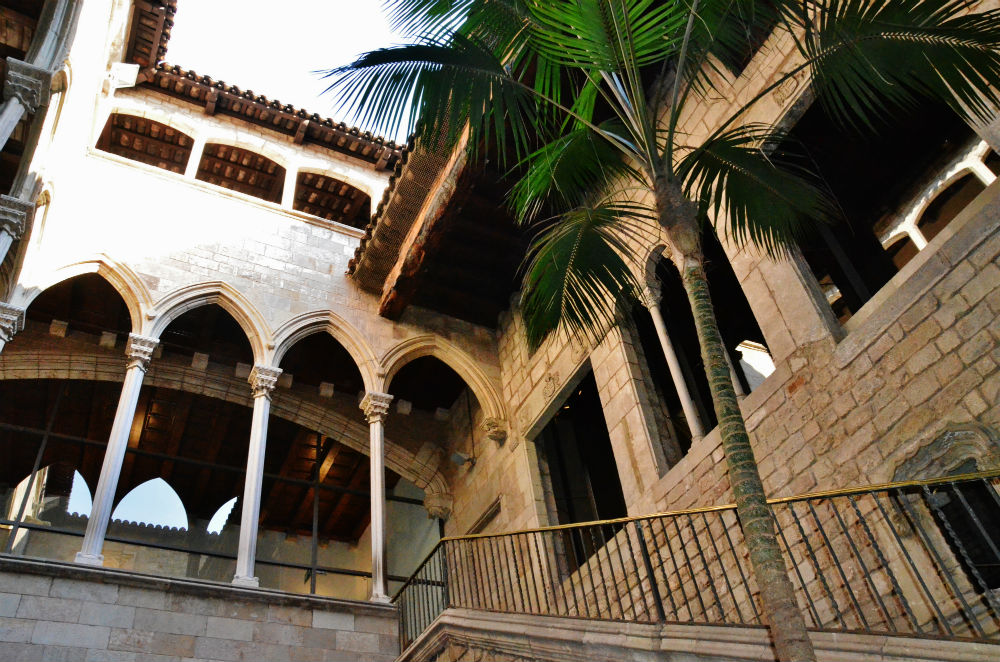
Discover the best museums in Barcelona — from art and design to history and football. Plan a cultural city break with Aspasios.
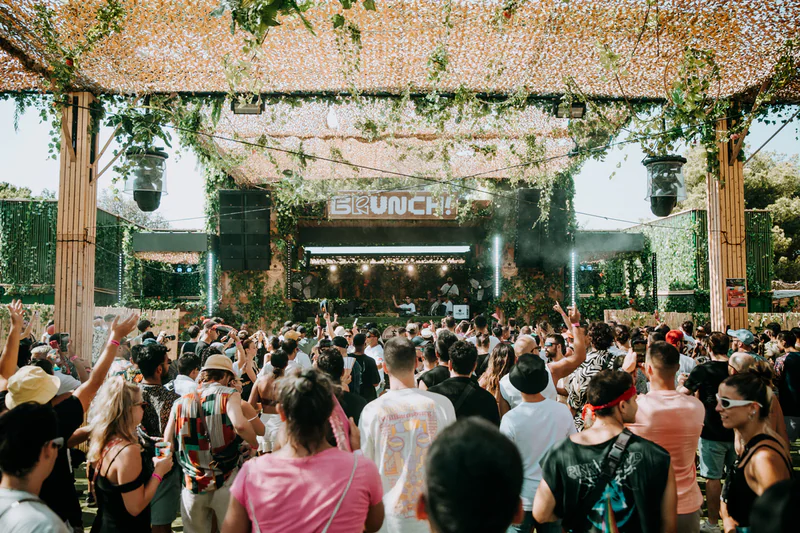
Enjoy Brunch Electronik Barcelona. Sundays filled with electronic music, street food, and a vibrant local vibe in the city’s best open-air venues.
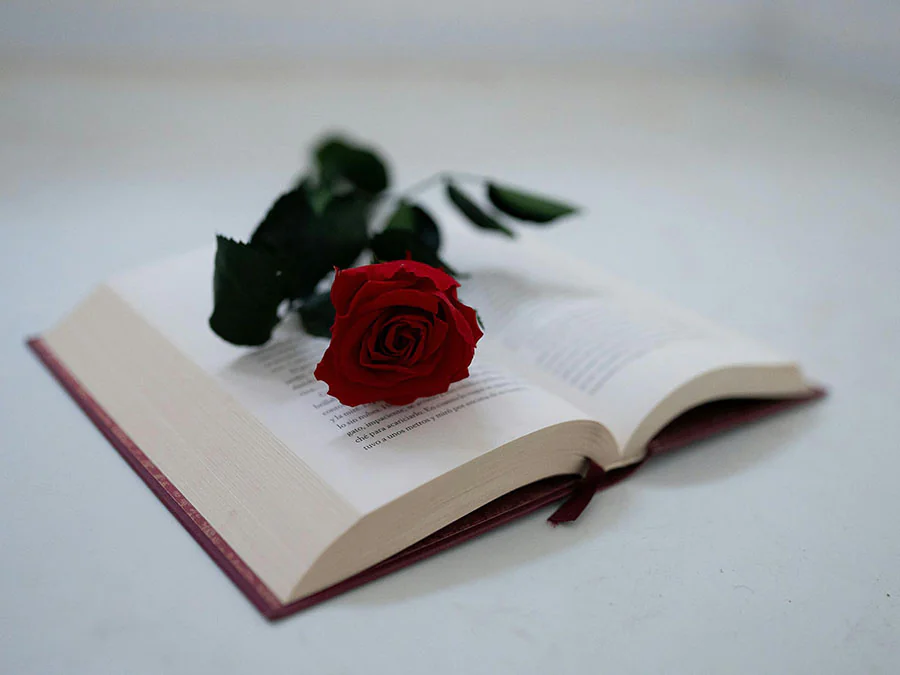
Experience the magic of Sant Jordi in Barcelona, a celebration of love, books, and roses. Discover its origins and top spots to enjoy the festival.
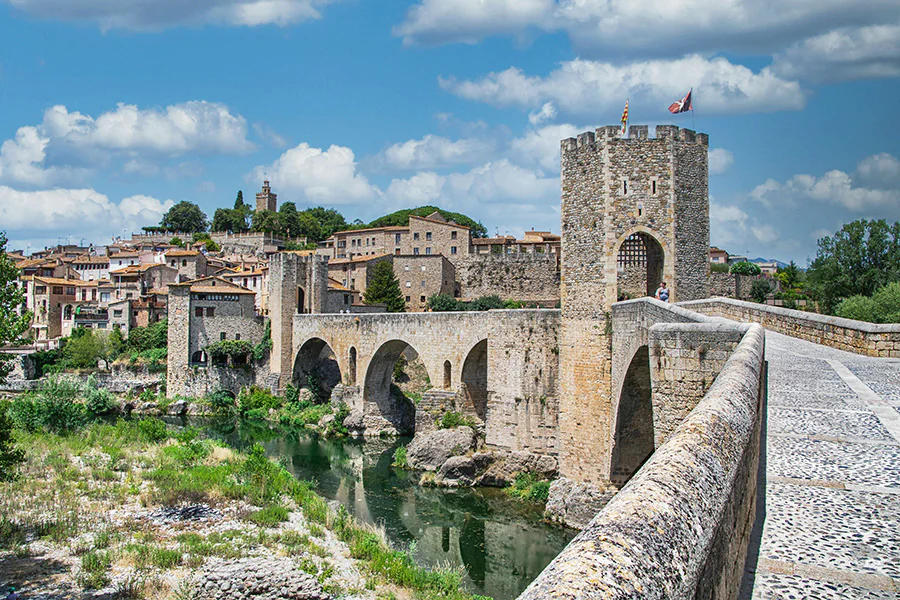
Discover Besalú, a medieval gem near Barcelona, with stone bridges, Catalan cuisine and centuries of history waiting to be explored.
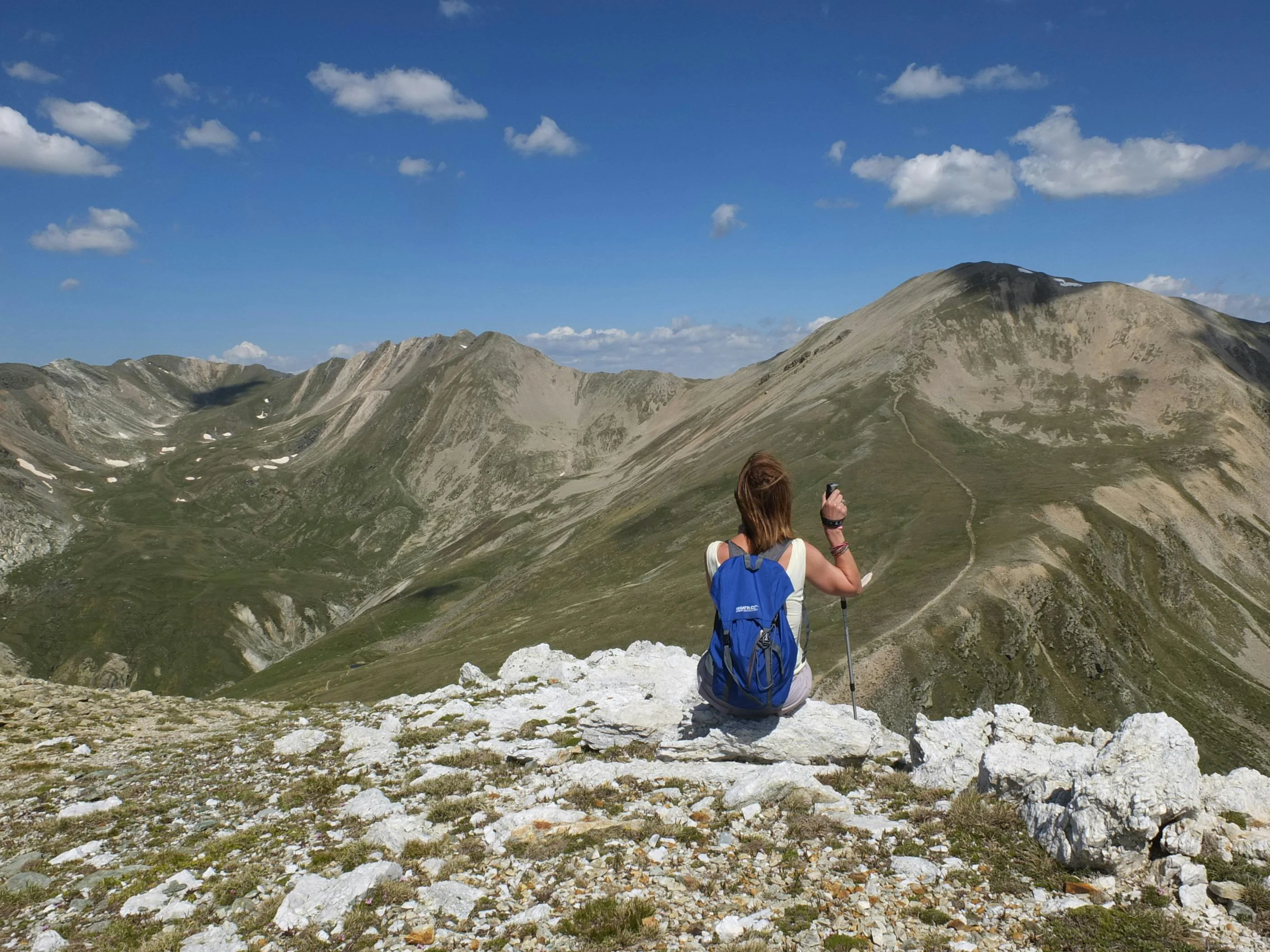
Discover the best places to enjoy nature near Barcelona, from scenic mountains to coastal landscapes. Perfect for hiking and relaxing!
Indulge in Barcelona’s best churros con chocolate! Explore top spots in the city to enjoy this iconic Spanish treat, from classic cafés to gourmet delights.
Barcelona celebrates Christmas with unique Catalan traditions, festive markets, delicious local dishes, and joyful events like the Three Kings’ Parade and Copa Nadal. It’s a magical time to experience the city’s culture and holiday spirit.
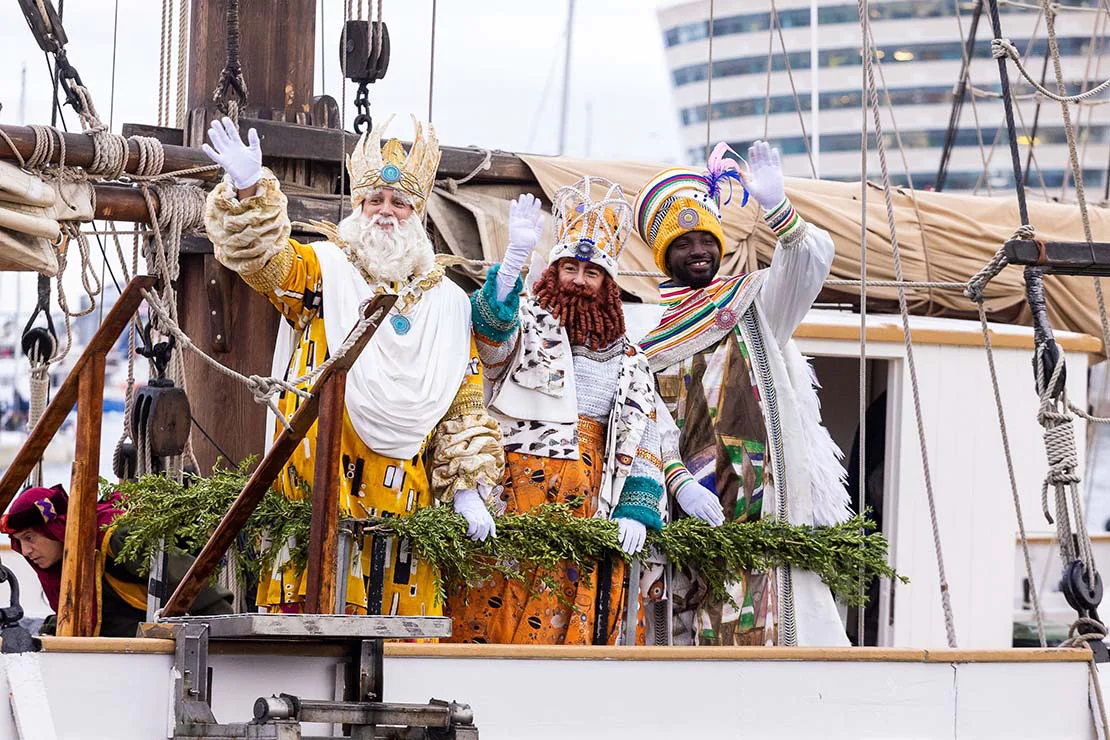
Three Kings' Day in Barcelona is a magical celebration with the spectacular parade, festive markets, and activities for kids. Enjoy nativity scenes and the best Roscón de Reyes while creating unforgettable family memories.
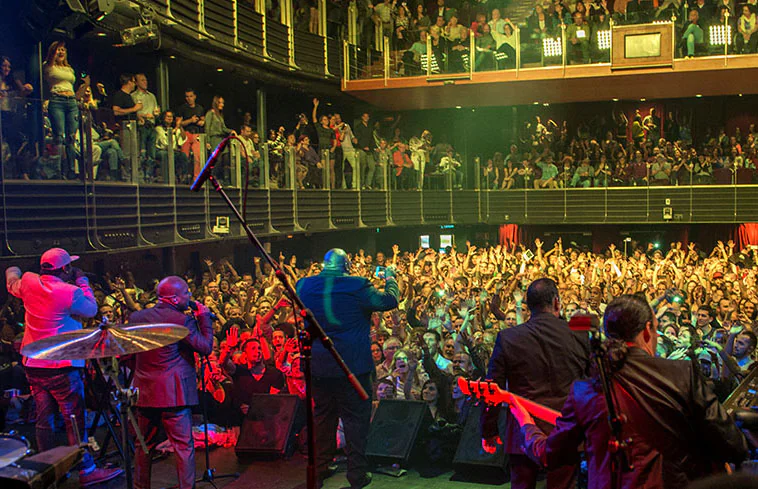
Explore the exciting Jazz Festival in Barcelona, an event that brings together the world’s best jazz talent. Immerse yourself in the city's vibrant music culture.
Experience the magic of cinema in Barcelona from November 4 to 7 with tickets for only €3.50. Don’t miss it!
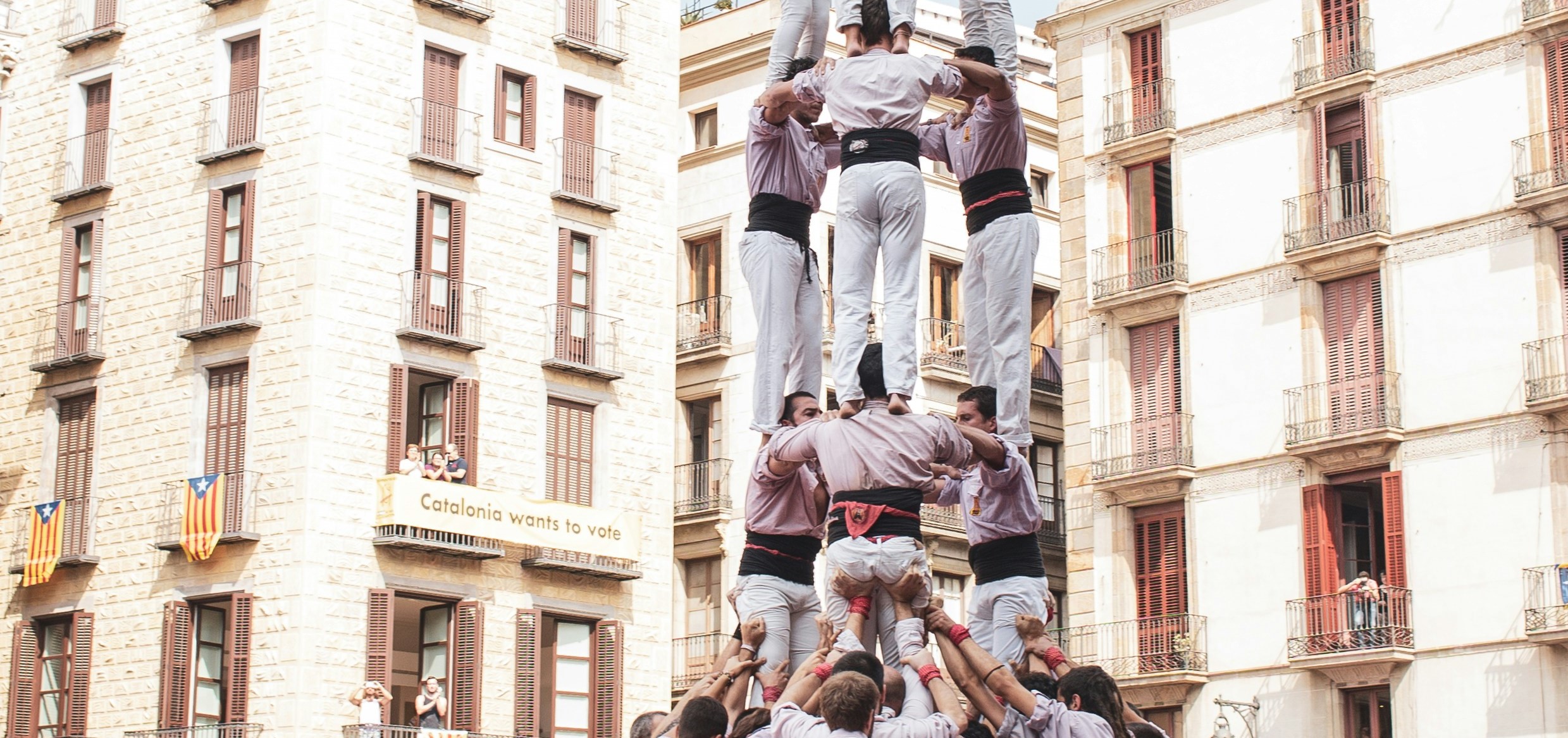
From September 20th to 24th, enjoy Barcelona's popular festival, which features a schedule full of free cultural activities for all ages that will leave you amazed.
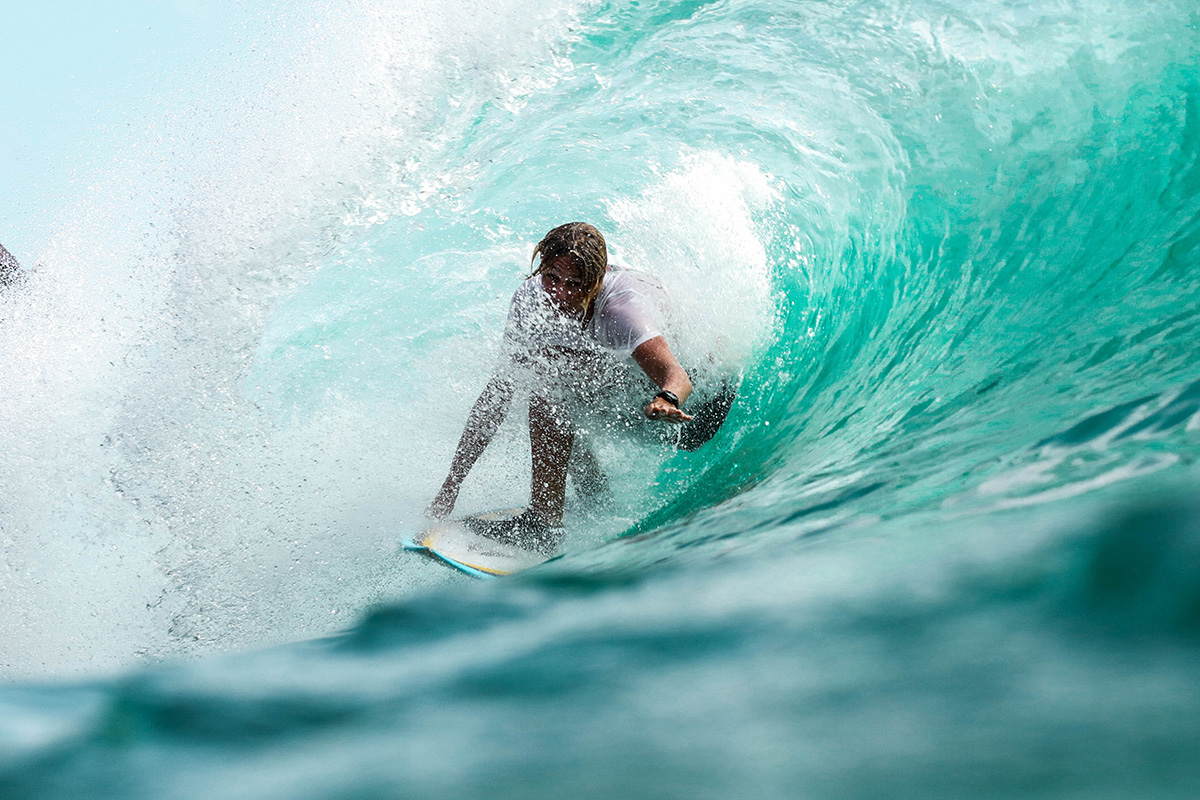
Dive into Barcelona’s best water sports this summer and experience the ultimate aquatic adventure, from surfing to jet skiing along the stunning coastline!
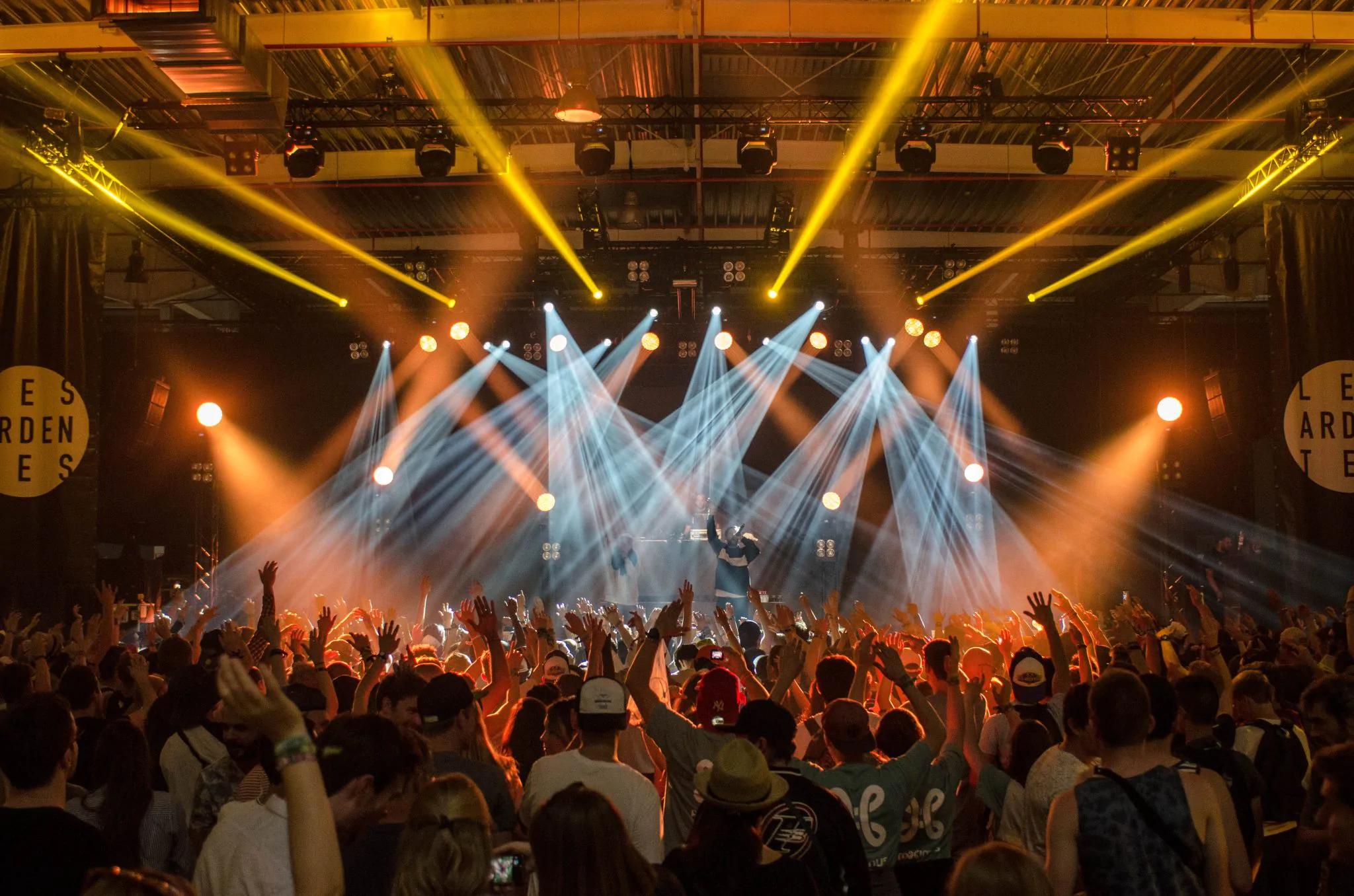
Barcelona comes alive in summer with festivals that blend culture, music, art, and its rich Mediterranean history in a vibrant atmosphere.
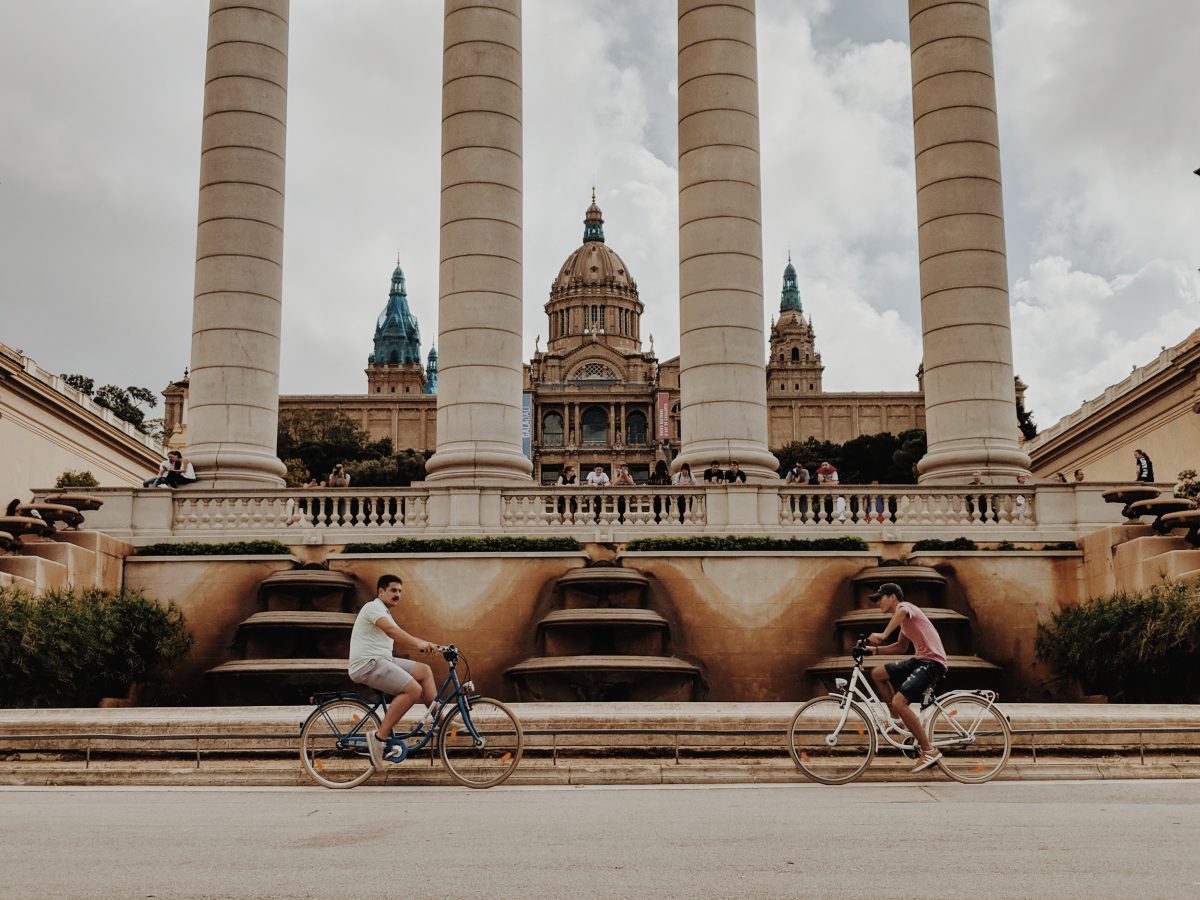
Explore the enchanting city of Barcelona with its vibrant neighbourhoods, breathtaking architecture, and picturesque beaches. In our blog, we invite you to join us on an immersive journey as we navigate the bustling streets and scenic pathways of Barcelona by bike.
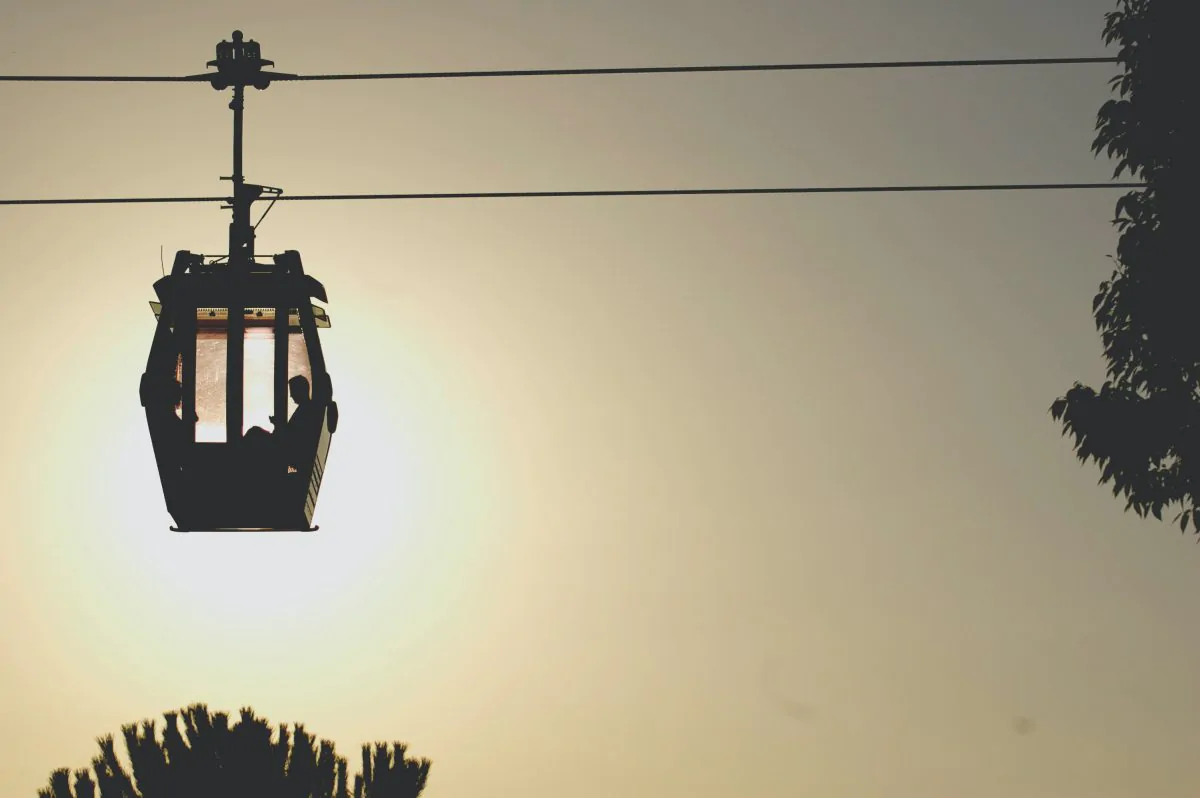
Barcelona’s cable car crosses 1,300 meters (4,265 feet) in ten minutes to reach Montjuïc Hill, taking its passengers on a journey through time with a wonderful landscape to admire.
Barcelona, the gem of Catalonia, is known for many things: beautiful beaches, modernist architecture, spectacular cuisine, and its vibrant festival culture. So do not miss next 22nd of September, the opening of La Mercè 2023, and experience Barcelona’s festival with Aspasios.
 Volver al blog