BOOK DIRECTLY ON OUR WEBSITE AND ENJOY UP TO 20% DISCOUNT.

BOOK DIRECTLY ON OUR WEBSITE AND ENJOY UP TO 20% DISCOUNT.
Enter the dates
8 September 2026
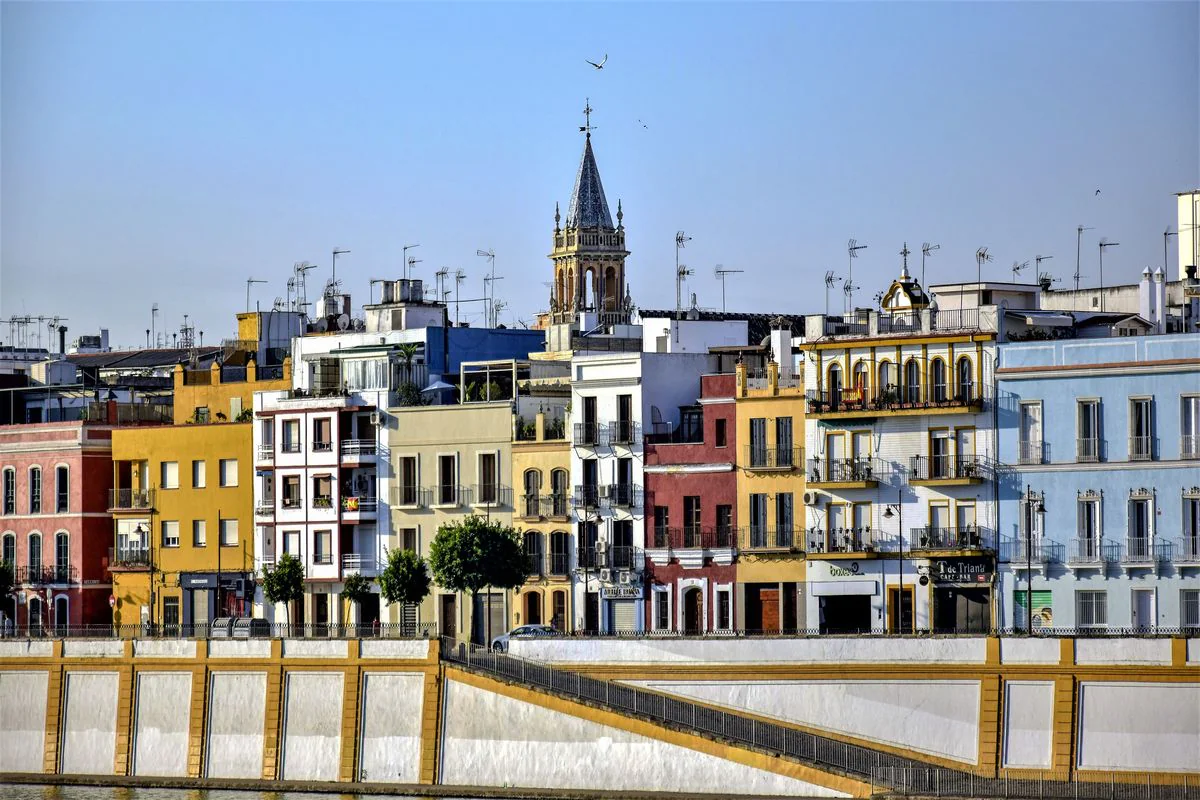
Seville isn't a city you rush through. It's one you walk, pause in, and look at twice. Between the Guadalquivir river, its Andalusian courtyards, and a historic center listed as a UNESCO World Heritage Site, the Andalusian capital packs some of Spain's most important monuments into just a few square kilometers. This guide covers the 20 must-see places in Seville, grouped so you can plan your visit with a clear head, whether you have a long weekend or a full week.
The places below are grouped by area to make it easier to build walkable routes. If you're short on time, prioritize the ones marked as essential within each group. At the end, you'll find a suggested itinerary based on how many days you have, plus a frequently asked questions section.

Seville Cathedral is the largest Gothic cathedral in the world, and tradition holds that it houses the tomb of Christopher Columbus. Its bell tower, La Giralda, of Almohad origin, is the city's most recognizable landmark. Instead of stairs, it's climbed via a ramp, originally built so the muezzin could ride up on horseback. For current opening hours and ticket prices, check the official Seville Cathedral website.
Practical tip: book tickets ahead during high season, walk-in queues can run past an hour.
The Real Alcázar is a working royal palace, making it the oldest royal palace still in use in Europe. It layers Mudéjar, Gothic, Renaissance and Baroque architecture across a series of courtyards and halls that also served as a filming location for Game of Thrones. The gardens, with their fountains, ponds and pavilions, deserve at least an hour on their own.
Practical tip: tickets often sell out days in advance during spring and autumn, so it's worth booking through the official Alcázar website as soon as your dates are confirmed.
Seville's former Jewish quarter is a maze of narrow lanes, orange-tree squares and courtyards glimpsed through wrought-iron gates crowded with potted plants. It's the ideal area to wander without a fixed plan, especially at dusk, when the neighborhood settles into near silence.
Practical tip: avoid the middle of the day in summer, the narrow streets trap the heat.
Listed as a UNESCO World Heritage Site alongside the Cathedral and the Alcázar, this Renaissance building holds original documentation of Spain's colonization of the Americas, including manuscripts from Columbus and Magellan.
Sitting between the Cathedral, the Alcázar and the Archive of the Indies, this square is also the gateway into the historic center from the shopping district. City Hall, with its ornate Plateresque façade, closes off the monumental ensemble.

Built for the 1929 Ibero-American Exposition, this is arguably Seville's most photographed monument. Its semicircular brick and ceramic facade, lined with tiled alcoves representing each Spanish province, is mirrored in a navigable canal you can cross by rowboat.
Practical tip: go first thing in the morning to skip both the heat and the peak tour-group hours.
Right next to Plaza de España, this romantic late-19th-century park blends botanical gardens, fountains and monuments to figures like the poet Bécquer. It's the green lung of the city center, and a good spot to slow down between sights.
A 13th-century watchtower on the banks of the Guadalquivir, its name comes from the golden glow of the tiles that once covered it. Today it houses a small naval museum, with opening hours and ticket prices available on the official website.
One of Spain's oldest and most historically significant bullrings, offering guided tours through the ring, the chapel and the bullfighting museum. Whatever your view on bullfighting, its architectural and historical value is hard to dispute.
Said to be the world's largest wooden structure, its contemporary lines deliberately contrast with the rest of the old town. Roman and Andalusian ruins sit preserved underneath, visible in the Antiquarium below. From the rooftop walkway, you get one of the best panoramic views in the city.

The oldest surviving bridge across the Guadalquivir in Seville connects the center to the Triana neighborhood. Crossing on foot at sunset, with the Torre del Oro and La Giralda in the background, is one of the city's classic views.
The birthplace of flamenco and Seville's tile-making tradition, Triana holds onto a character of its own, more lived-in and less geared toward tourism than the historic center. Wandering along Calle Betis by the river, or through the neighborhood's ceramic workshops, is one of the most authentic experiences the city offers.
Built over the remains of the Castle of San Jorge, once the seat of the Inquisition in Seville, the market combines traditional produce stalls with a food-hall section. It's a good spot to try local products without needing a reservation.
Tucked inside the Triana Market itself, this small, free museum space explains the history of the castle and the Inquisition in Seville in an accessible, educational format, ideal for a short stop.

Considered an early example of the Mudéjar-Renaissance blend typical of Andalusia, this 16th-century palace belonged to the House of Medinaceli. Its courtyards and tilework rival the Alcázar's, with the advantage of noticeably smaller crowds.
Once a residence of the House of Alba, this palace combines gardens, courtyards and a scale that feels less monumental but no less carefully kept. It opened permanently to the public relatively recently, and further visiting details can be found on its official website.
Home to the Esperanza Macarena, one of the most venerated Marian images in Seville's Holy Week processions. The small museum attached explains the significance of Holy Week in the city for visitors passing through outside those dates.
Seville's second-largest church after the Cathedral, built on the site of what was once the city's main mosque before the Reconquest. Its Baroque interior surprises visitors who only glimpse it from the square outside.

One of the oldest public squares in Europe, today it's the heart of Seville's social life and nightlife, with two original Roman columns still standing at one end. By day, it's a quiet stroll; by night, one of the liveliest spots in the city.
Home to the 1992 Universal Exposition, the island brings together the Pavilion of Navigation, with sweeping river and city views from its lookout tower, and the Cartuja Monastery, where Columbus once stayed before his voyages to the Americas. It's a quieter part of the city, ideal for those looking for a different perspective on Seville.
A long weekend (2 days): focus on places 1 through 10, the historic center, Santa Cruz, Plaza de España and Las Setas.
3 days: add all of Triana, plus at least two of the lesser-known palaces (Casa de Pilatos, Palacio de las Dueñas).
What are the top 3 must-see places in Seville if I only have one day? Seville Cathedral with La Giralda, the Real Alcázar, and Plaza de España. All three are within walking distance of each other and together hold the bulk of the city's historic and architectural heritage.
Do I need to book tickets in advance for the Alcázar and the Cathedral? It's highly recommended during high season (spring and autumn especially), as tickets can sell out and walk-in queues run long. Check current availability and booking windows on the official sites for the Cathedral and the Alcázar.
How many days do you need to see Seville properly? Three to four days let you see the main monuments without rushing, fit in Triana, and still leave room to wander without a fixed itinerary.
Which area of Seville is best to stay in for walking to the main sights? The historic center (Santa Cruz, San Bartolomé, or around the Cathedral) and Triana offer the best walking access to most of the places on this list. For a full breakdown of each neighborhood's character, prices, and distance from the center, see our guide on where to stay in Seville.
What's the best time of year to visit Seville? Spring (March to May) and autumn (September to November) bring milder temperatures than summer, when Seville's heat can become extreme, often well above what many visitors are used to.
With this guide, you already have a solid base for planning your visit to Seville, whether you have two days or a full week. And if you're also looking for somewhere to stay, Aspasios apartments in the city center are a good starting point for exploring all these places on foot, with the comfort of feeling right at home.
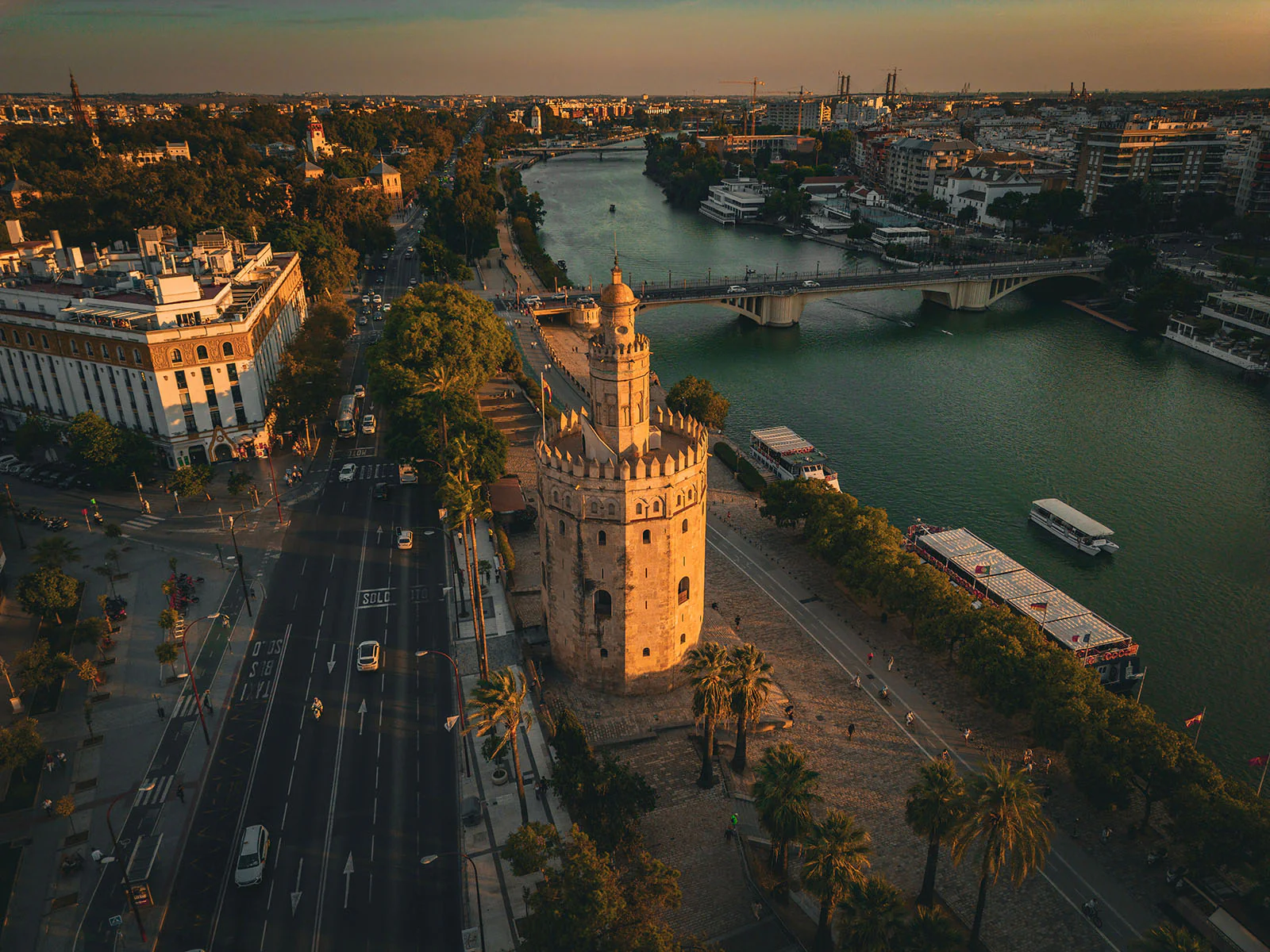
A local's guide to falling for Seville, from its most authentic neighbourhoods to the traditions that shape it.
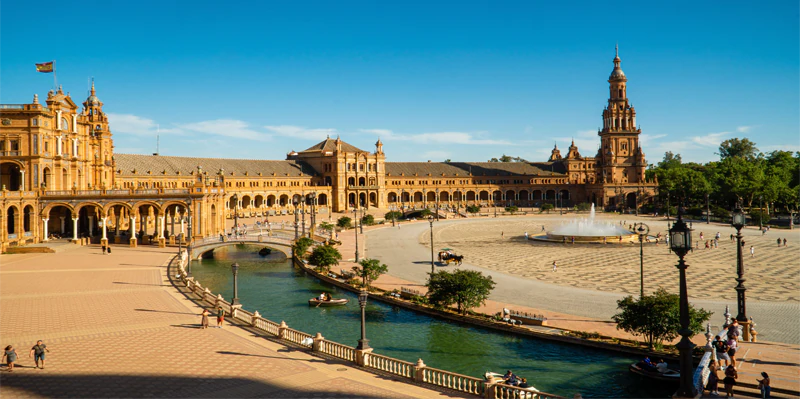
A local's guide to Seville's best neighborhoods beyond Santa Cruz: Triana, Arenal and more.
 Volver al blog