BOOK DIRECTLY ON OUR WEBSITE AND ENJOY UP TO 20% DISCOUNT.

BOOK DIRECTLY ON OUR WEBSITE AND ENJOY UP TO 20% DISCOUNT.
Enter the dates
9 September 2026
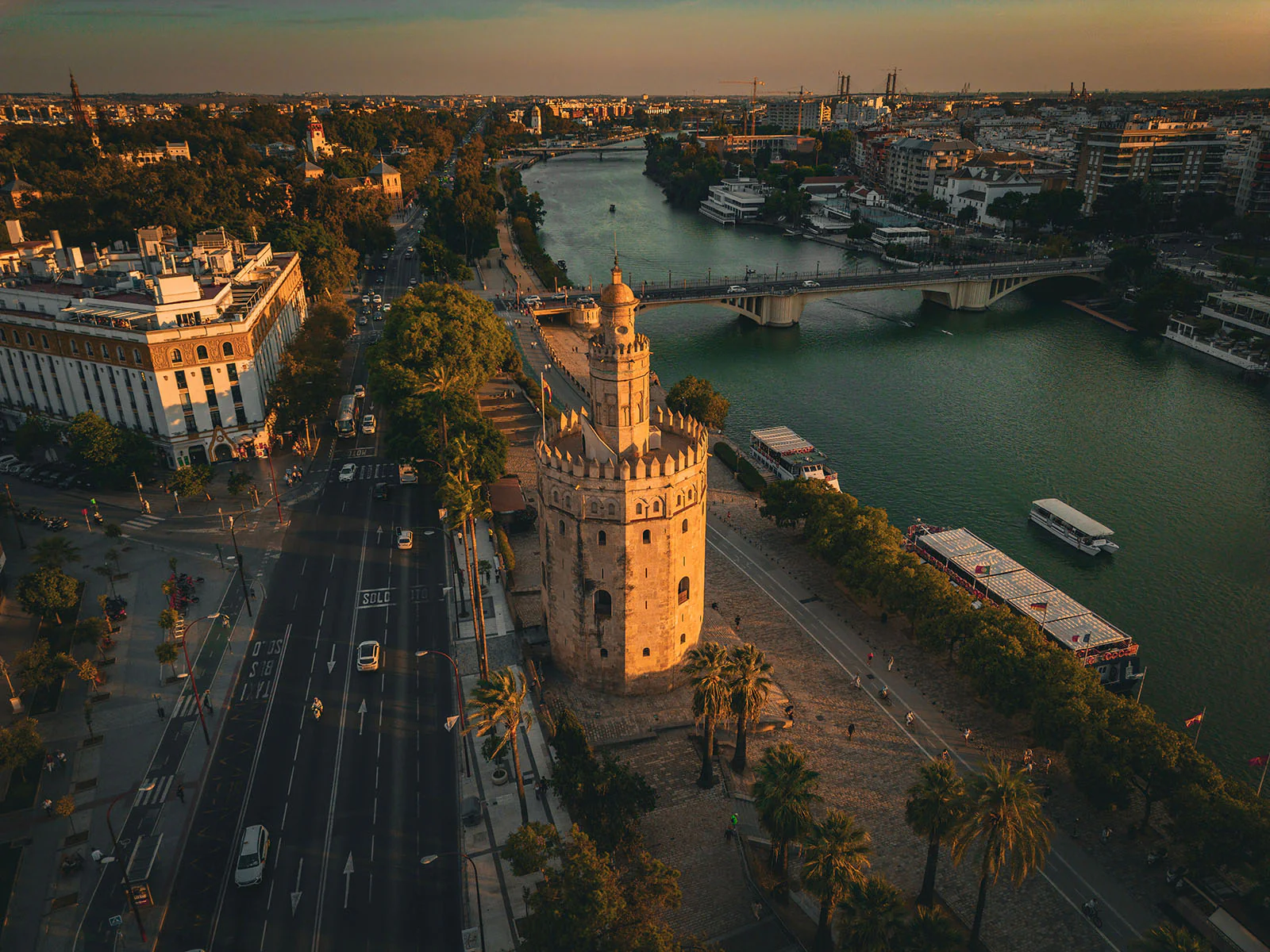
Seville does not try very hard to impress you, and that is exactly why it does. There is no single monument or single street that explains the city. It is the accumulation of small things, the smell of orange blossom drifting through a square, the sound of a guitar from an open window, the unhurried way a waiter sets down your plate, that turns a short visit into something you keep thinking about long after you have left. Ask anyone who has spent even a few days here and they will tell you the same thing: Seville does not ask to be liked. It just quietly becomes the place you want to come back to.
Part of what makes the city so easy to fall for is how little it has had to change to stay relevant. The same squares that hosted evening conversations a century ago still do. The same markets that fed Sevillano families for generations still open at dawn. Seville has grown, modernised and welcomed millions of visitors without losing the sense that it belongs, first and foremost, to the people who live there. That is a rarer quality in a major destination than it should be, and it is the reason first-time visitors so often start planning their return trip before their first one is even over.
This guide is an introduction, not a checklist. It is meant to give you a feel for the city before you arrive, the neighbourhoods that give it character, the rhythms that shape a Sevillano's day, and a few honest pointers for planning your first visit. Consider it the starting point for everything else you will find on this journal as we get to know Seville, street by street, season by season.

Talk to people who grew up in Seville and you notice a pattern: even the ones who moved away for work or love tend to come back, or at least talk about it constantly. Part of it is the pace. Life here still moves around the table, the terrace and the plaza rather than around the calendar. Part of it is the light, low and golden for much of the year, the kind that makes even ordinary balconies look like something worth photographing.
There is also a quiet self-assuredness to the city. Seville does not perform its own history for visitors the way some destinations do. The Real Alcázar, the Cathedral and the Giralda are genuinely extraordinary, part of a UNESCO World Heritage site that draws people from across the world (we cover all three landmarks in full in our guide to Seville's must-see sights), but they sit inside a city that carries on with its own life around them: neighbours chatting on plastic chairs outside a bar, children playing football in a square two minutes from a monument nine centuries old. That contrast, grandeur and everyday life sharing the same street, is what makes Seville feel lived-in rather than staged.
That same confidence shows up in how the city marks its calendar. Semana Santa fills the streets with silent processions and centuries-old brotherhoods, watched by locals with a devotion that has nothing to do with putting on a show for visitors. A few weeks later, the Feria de Abril turns an entire fairground into a week of striped tents, flamenco dresses and horse-drawn carriages, and it belongs to Sevillanos long before it belongs to anyone passing through. Both deserve a guide of their own, and you will find one on this journal closer to the time, but even a glimpse of them tells you something true about the city: Seville takes its traditions seriously precisely because it enjoys them so much.
Seville rewards people who wander off the main route between the Cathedral and the river. Every neighbourhood, or barrio, has its own rhythm, and getting to know a few of them is the fastest way to understand the city beyond its postcard image.
Narrow, whitewashed streets that twist without warning, hidden courtyards filled with potted plants, and small squares that seem to appear out of nowhere. Santa Cruz sits right beside the Cathedral and the Alcázar, which makes it the natural starting point for a first walk through the city, best enjoyed slowly and without a fixed plan.
Cross the Puente de Isabel II and the atmosphere shifts. Triana is considered the historic cradle of flamenco and of Seville's famous ceramic tradition, and it has kept a strong neighbourhood identity of its own, separate from the tourist centre. It is one of the best places in the city to hear flamenco that is not staged for visitors.
Between the Cathedral and the Guadalquivir, El Arenal is home to the Torre del Oro, the Maestranza bullring and some of the city's most traditional tapas bars, many of them barely changed in decades. It is quieter than Santa Cruz but just as central, and a pleasant place for an evening walk along the river as the light starts to fade.

North of the old town, in the San Vicente district, the Alameda de Hércules is one of Seville's most authentic and least touristy squares, a long rectangular plaza lined with palm trees, bars and independent shops, popular with locals long before it appeared on any visitor's map. By day it has the unhurried feel of a neighbourhood square, with people reading on benches and small terraces filling up slowly. By night it becomes one of the liveliest spots in the city, with a mix of long-standing bars and newer places that keep the area feeling current rather than nostalgic.
It is also where Aspasios is putting down roots in Seville, with new apartments arriving on Calle Baños, a street whose name comes from a set of royal baths dating back to the Andalusi period. Casa Oliva sits inside a striking tower-shaped building with warm stone facades and castellated details, the kind of quiet architectural statement that fits a neighbourhood which has never needed to shout about itself. Every Thursday, the nearby Calle Feria hosts one of the city's oldest antiques and flea markets, a good reason on its own to base yourself in this part of town, and the Basílica de la Macarena and the Metropol Parasol are both an easy walk away.
Understanding a place means understanding what its people care about, and in Seville that usually comes down to three things: flamenco, food and the outdoors.
Flamenco was born in Andalusia, and Seville, together with Triana and Jerez, is considered one of its true homes. You will find plenty of tourist-oriented tablaos, but ask around and you can also find peñas flamencas, small member-run clubs where the art form is treated as something closer to a family tradition than a performance. Every two years, the city hosts the Seville Flamenco Bienal, the largest flamenco festival in the world, drawing artists and audiences from across the globe.

Tapas in Seville are not an appetiser before the real meal, they are the meal, spread across an evening and several bars. The tradition here leans toward small, unpretentious places where the food matters more than the decoration: fried fish, salmorejo, spinach with chickpeas, a glass of cold fino sherry. Moving from bar to bar with friends, ordering two or three small plates at each stop, is less a dining strategy than a local ritual, and one of the fastest ways to feel like you belong in the city rather than just visiting it. We will publish a full guide to Seville's tapas culture separately, bar by bar, but the short version is this: skip the terraces with photo menus and follow the bar that is three deep with locals at eight in the evening.
Seville's streets are lined with thousands of orange trees, and for a few weeks each spring their blossom, known locally as azahar, fills the entire city with its scent. It drifts into cafés, into taxis, into apartments with the windows open, and it is one of those details that photographs cannot capture and that visitors often mention as the thing that surprised them most. Life here genuinely happens outdoors: on terraces, in plazas, along the river, for as much of the year as the weather allows. Even a short walk after dinner tends to turn into an hour spent people-watching from a terrace, simply because the evening air makes it hard to want to go inside.

Getting there. Seville has its own airport, San Pablo, with direct connections to major European cities, and a direct high-speed AVE train link between Madrid Puerta de Atocha and Seville Santa Justa, taking around two hours and forty minutes on the fastest services, and closer to three hours on those with more stops, one of the most comfortable ways to arrive if you are combining Seville with the rest of Spain.
Best time to visit. Spring (March to May) and autumn (September to October) offer the most comfortable weather and the richest calendar of events, including Semana Santa, the Feria de Abril and the Flamenco Bienal. Summer is genuinely hot, often above 35°C, so if you visit between June and August, plan your days around the early morning and the evening, and lean on shaded terraces during the peak hours.
Getting around. Seville's historic centre is compact and walkable, and many of its best moments happen on foot, in a covered market, down a side street, in a square you were not aiming for. The city is also notably bike-friendly, with an extensive network of dedicated lanes.
How long to stay. Three to four days is a realistic minimum to see the major sites without rushing and still leave time for wandering without a plan, which is often when Seville makes its strongest impression. If you can add a day trip to Córdoba, Cádiz or Jerez de la Frontera, all within easy reach by train, it is well worth it.

Aspasios has spent years turning apartments across Barcelona, Madrid and Porto into a genuine alternative to the standard hotel room: spacious, thoughtfully designed, and equipped so you can live in a city rather than simply pass through it. Seville is the newest addition to that story, with Casa Oliva on Calle Baños, just over a kilometre from the city centre and a short walk from the Alameda de Hércules, one of the neighbourhoods that best represents the city's unhurried, unpretentious character. Every apartment comes with a fully equipped kitchen, high-speed Wi-Fi, air conditioning and a television, and some units open onto their own private balcony or terrace, the kind of detail that turns a warm Seville evening into part of the stay rather than something you have to go looking for.
It is a fitting match. Aspasios has always believed that where you stay shapes how you experience a place, and few cities reward that philosophy as clearly as Seville, a city built for slow mornings, long lunches and evenings that do not really end until the last bar closes. A well-designed apartment with a proper kitchen, room to spread out and a neighbourhood address instead of a hotel corridor changes how you move through a city like this: you shop at the same market as your neighbours, you learn which bakery opens first, and by the third morning the walk from your door to the Alameda no longer feels like part of a trip. It feels like part of a routine you are simply borrowing for a while. Check-in is a simple, self-service process, and the Alameda de Hércules bus stop and Santa Justa station both keep the rest of Seville, and the rest of Andalusia, within easy reach.
What is the best time to visit Seville? Spring and autumn generally offer the most comfortable weather, alongside major events like Semana Santa, the Feria de Abril and, every two years, the Flamenco Bienal. Summer is very hot and best planned around the cooler hours of the day.
How many days do you need in Seville? Three to four days is enough to see the essential sites and still leave room to wander without a fixed plan, which is often where the city leaves its strongest impression.
Is Seville a walkable city? Yes. The historic centre is compact and best explored on foot, and the city also has an extensive network of bike lanes for getting around a little further afield.
Which neighbourhood should I stay in? It depends on what you are looking for. Santa Cruz puts you beside the main monuments, Triana offers a strong local identity across the river, and the Alameda de Hércules, home to Aspasios Casa Oliva, offers an authentic, lived-in neighbourhood feel with easy access to the rest of the city.
Seville rarely announces itself all at once. It reveals itself gradually, in a square you find by accident, a bar recommended by a stranger, a street named after baths that no longer exist but are still remembered. This guide is only the beginning. Follow along as we explore Seville's neighbourhoods, festivals and flavours in more depth, and discover Aspasios Casa Oliva, our new home in the heart of the Alameda de Hércules, ready to welcome you when you decide it is time to come back.
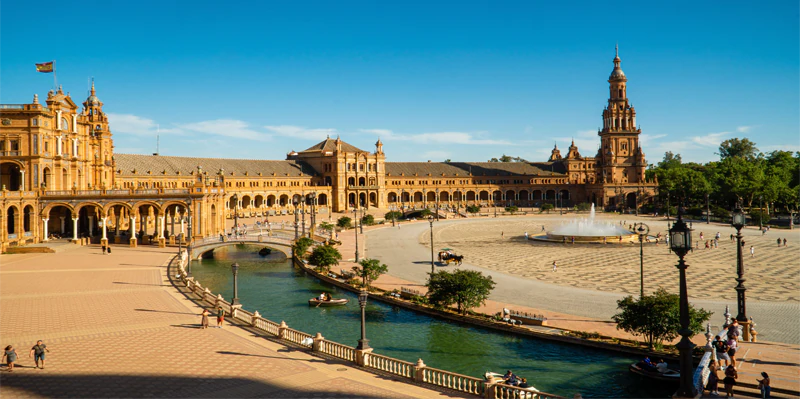
A local's guide to Seville's 20 must-see landmarks, from the Cathedral to Triana.
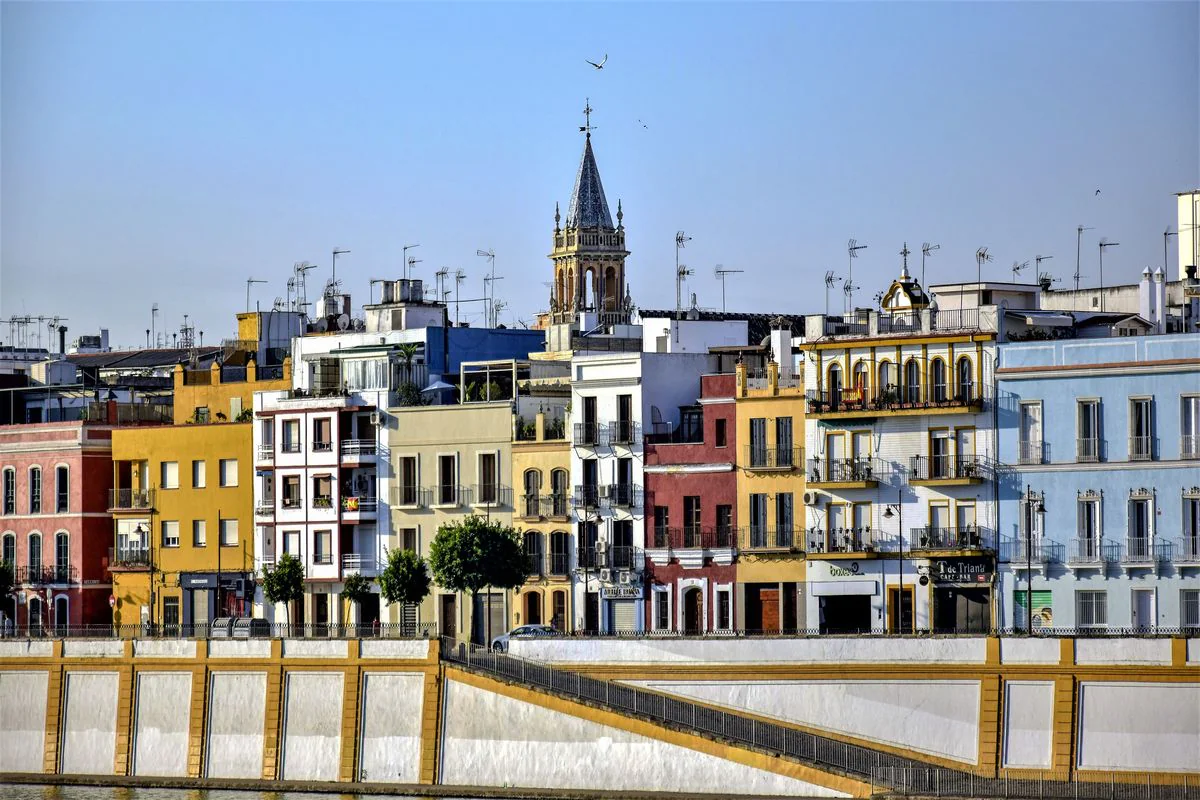
A local's guide to Seville's best neighborhoods beyond Santa Cruz: Triana, Arenal and more.
 Volver al blog